


Kefir is a fermented milk drink made by adding “kefir grains” (a culture of beneficial bacteria and yeasts) to milk. The grains ferment the milk over about 12–24 hours, producing a tangy, slightly fizzy beverage that resembles drinkable yogurt.
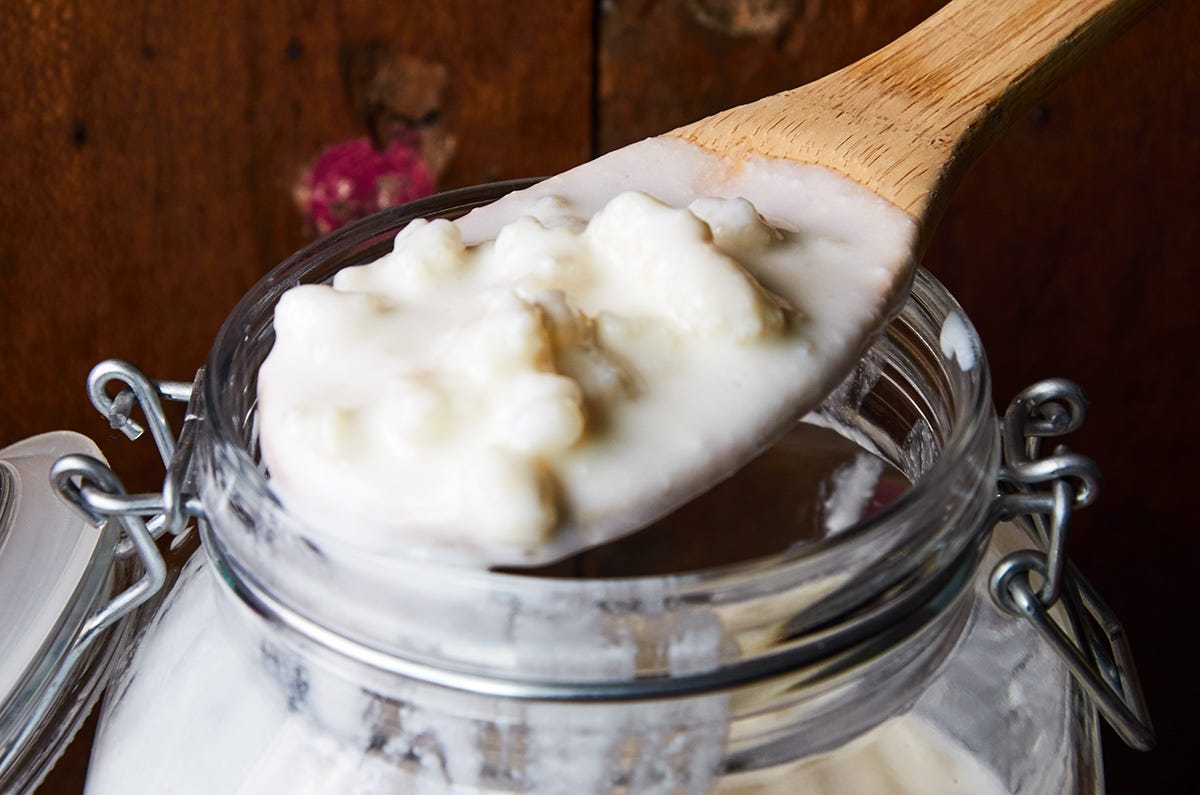
Potential benefits
Probiotics: Kefir contains a diverse mix of beneficial microorganisms, often more varied than many yogurts.
Digestive health: Some people find it helps with digestion and regularity.
Lactose digestion: The fermentation process breaks down some lactose, so some lactose-intolerant people tolerate kefir better than milk.
Nutrition: It provides protein, calcium, B vitamins, and other nutrients from the milk used.
Making Kefir at home is actually quite simple!
Kefir grains (active, either fresh or dehydrated)
Milk (cow, whole milk)
Glass jar (avoid metal—metal can react with the grains)
Plastic or wooden spoon
Plastic or nylon strainer (metal can damage grains)
Cloth or paper towel + rubber band (to cover the jar)
Step 1: Add the grains to milk
Place 1–2 tablespoons of kefir grains into a clean glass jar.
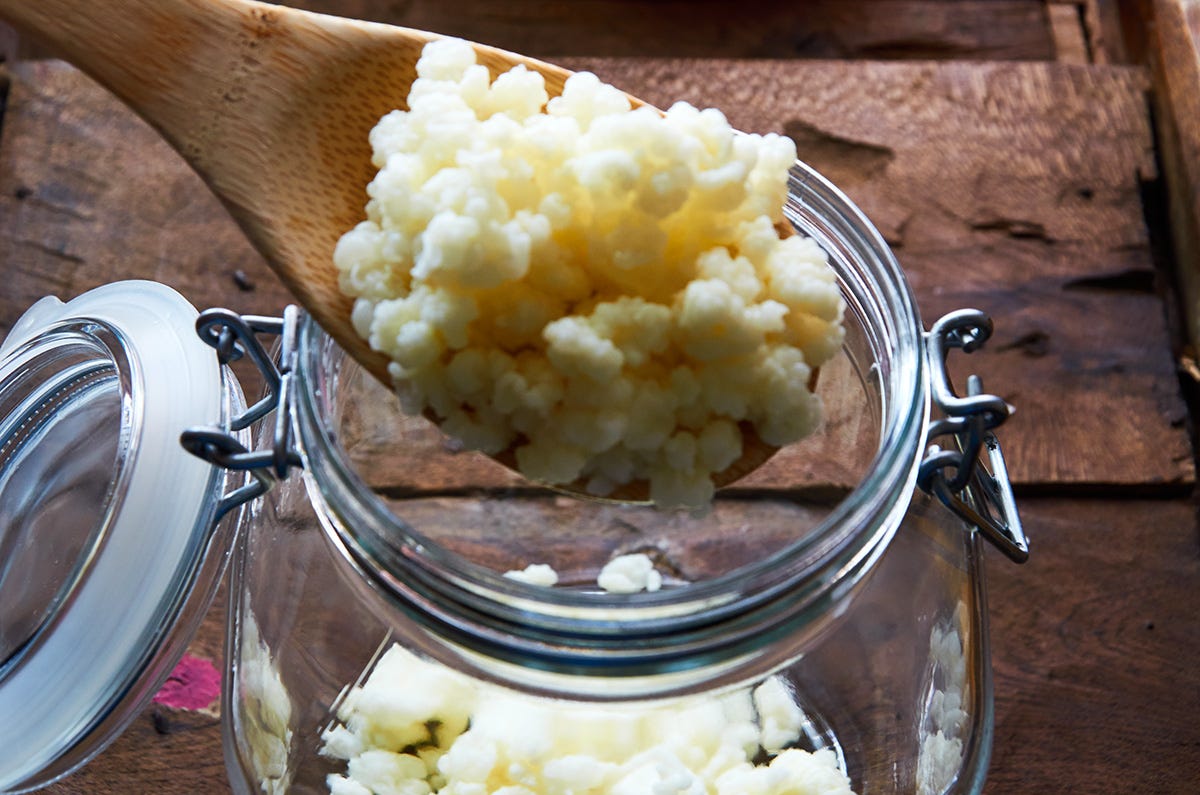
Pour about 2 cups of milk over the grains. Gently stir with a plastic/wooden spoon.
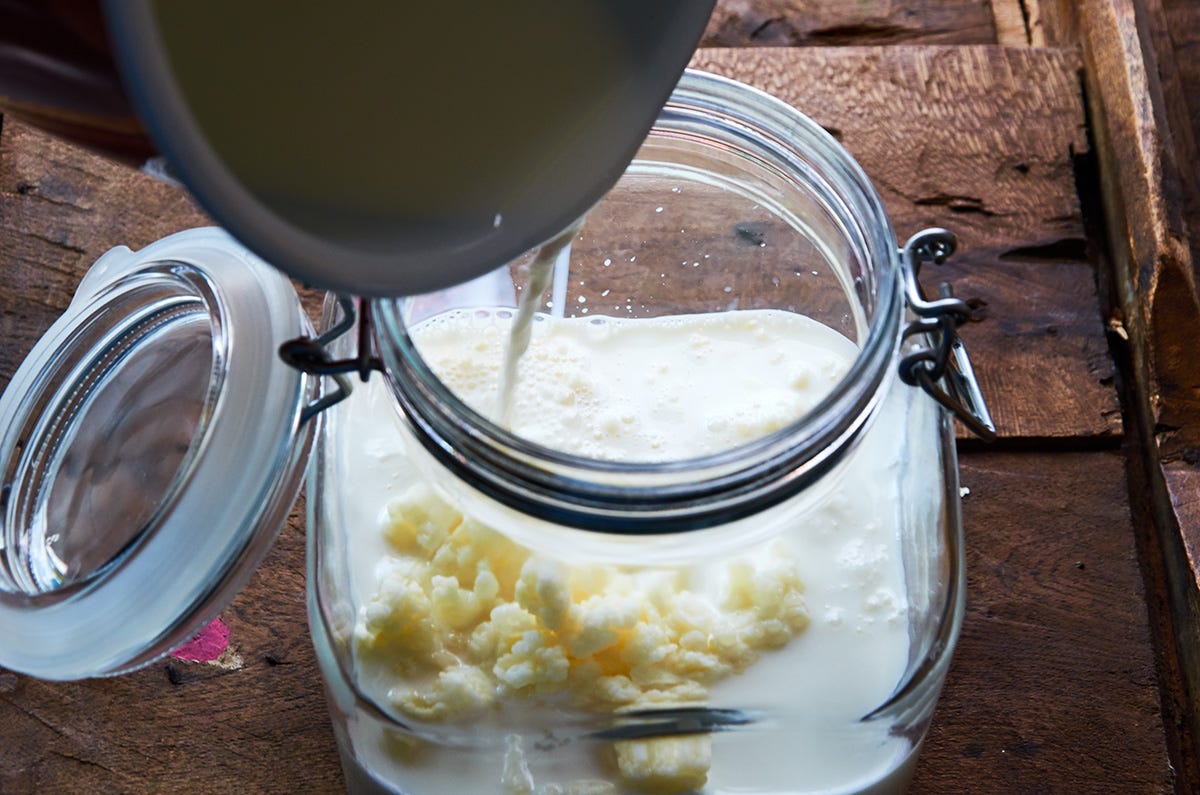
Step 2: Ferment
Cover the jar with a cloth or paper towel and secure with a rubber band if need it.
Let it sit at room temperature (ideally 20–25°C / 68–77°F) for 12–24 hours. Shorter fermentation → milder taste, less sour.
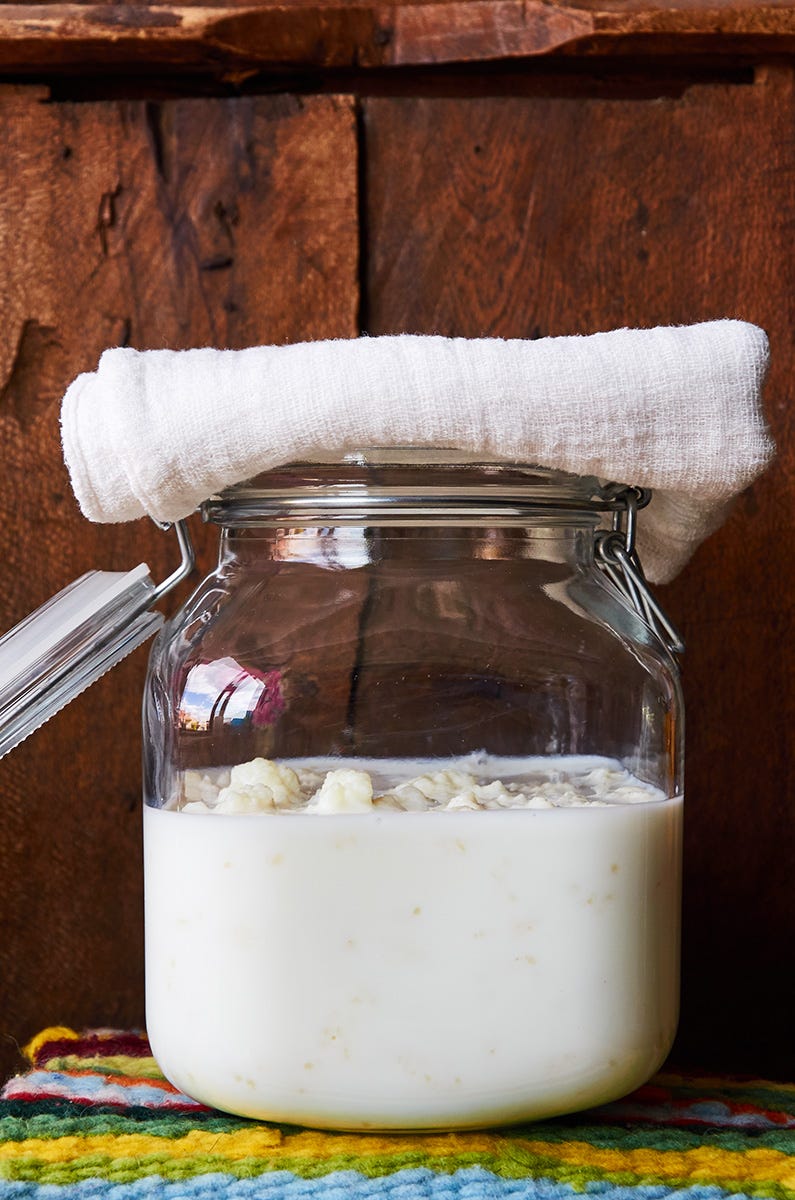
Longer fermentation → tangier, thicker kefir.
Step 3: Strain
After fermentation, use a plastic or nylon strainer to separate the grains from the liquid. Washing kefir grains is a bit of a delicate topic. Normally, you do not need to wash milk kefir grains every time—frequent washing can actually weaken them. Tap water often contains chlorine or chloramine, which can harm the grains.
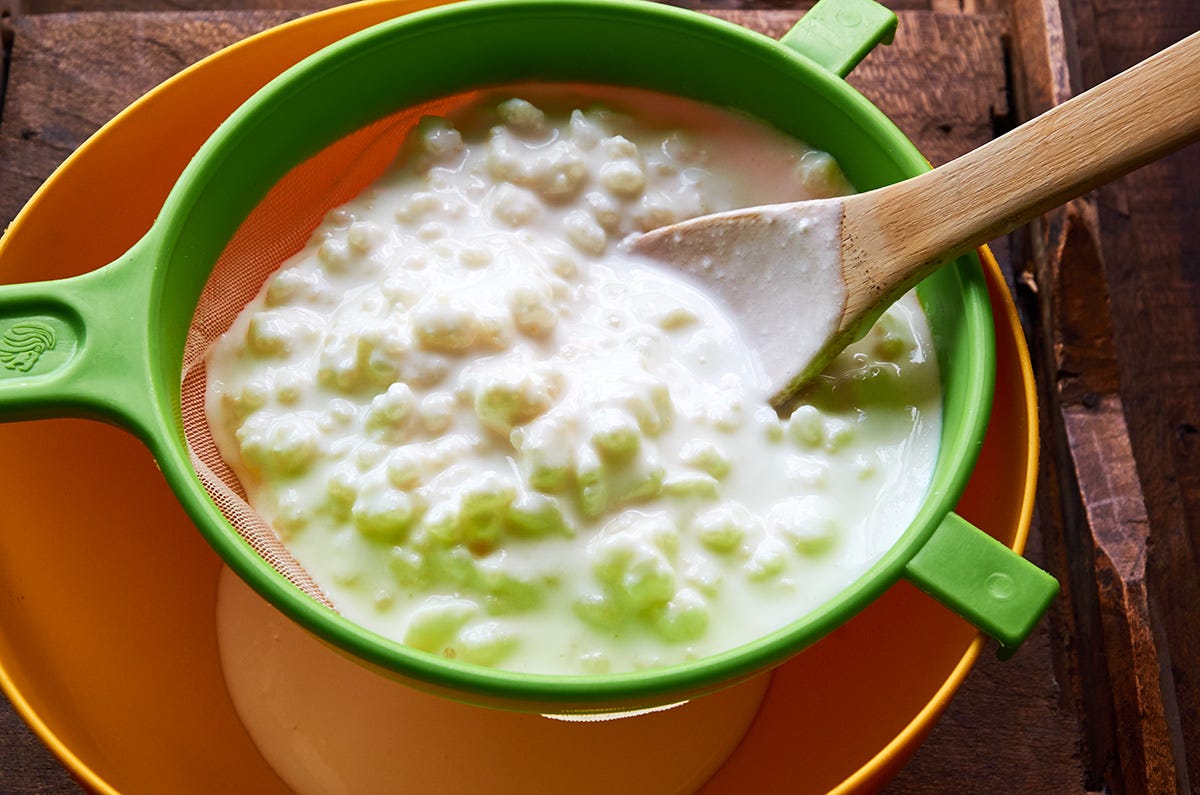
If your tap water is heavily chlorinated, let it sit out for a few hours or use filtered water.
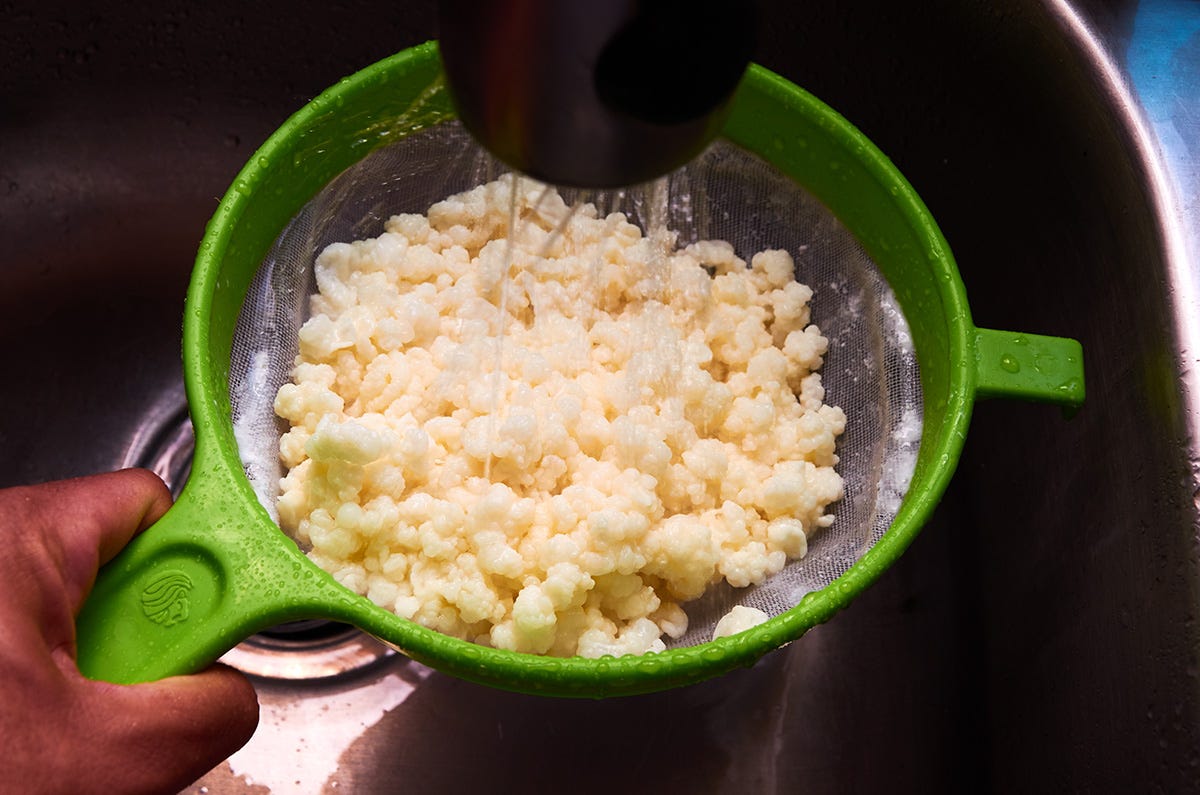
Transfer the strained kefir to a clean jar for storage in the fridge.
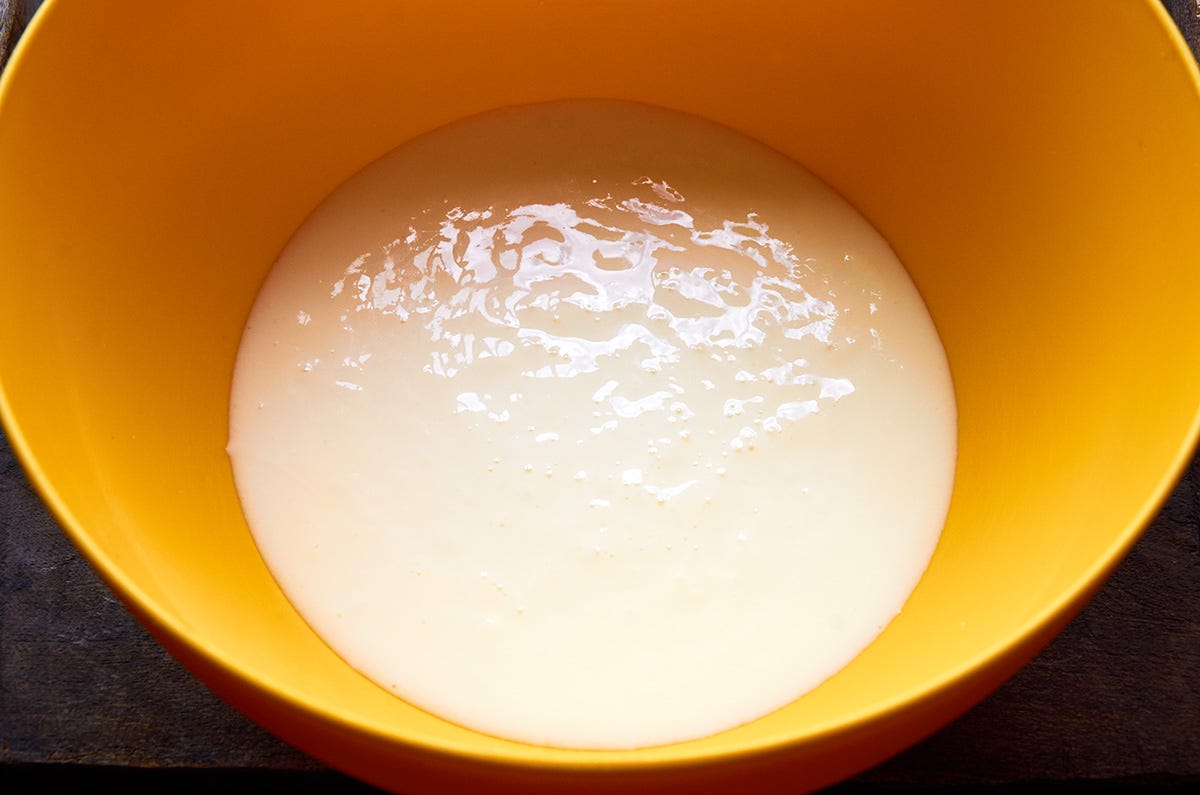
Re-use the grains immediately with fresh milk, or store them in a small amount of milk in the fridge for a few days.
Step 4: Store & enjoy
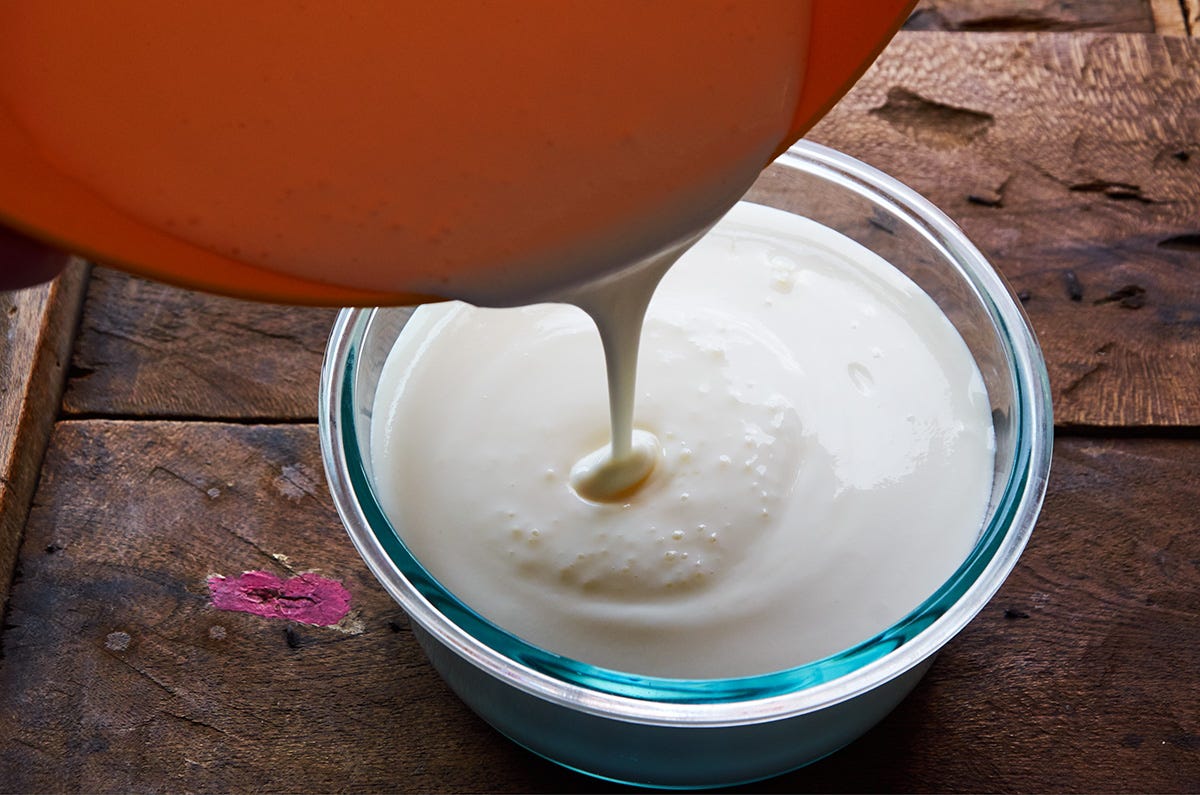
Note: Kefir keeps in the fridge for up to a week, flavor intensifies slightly over time.
Drink it plain, mix with fruit, or use in smoothies, salad dressings, baking or substitute it for buttermilk or yogurt in recipes.
Banana - Mango Kefir Smoothie
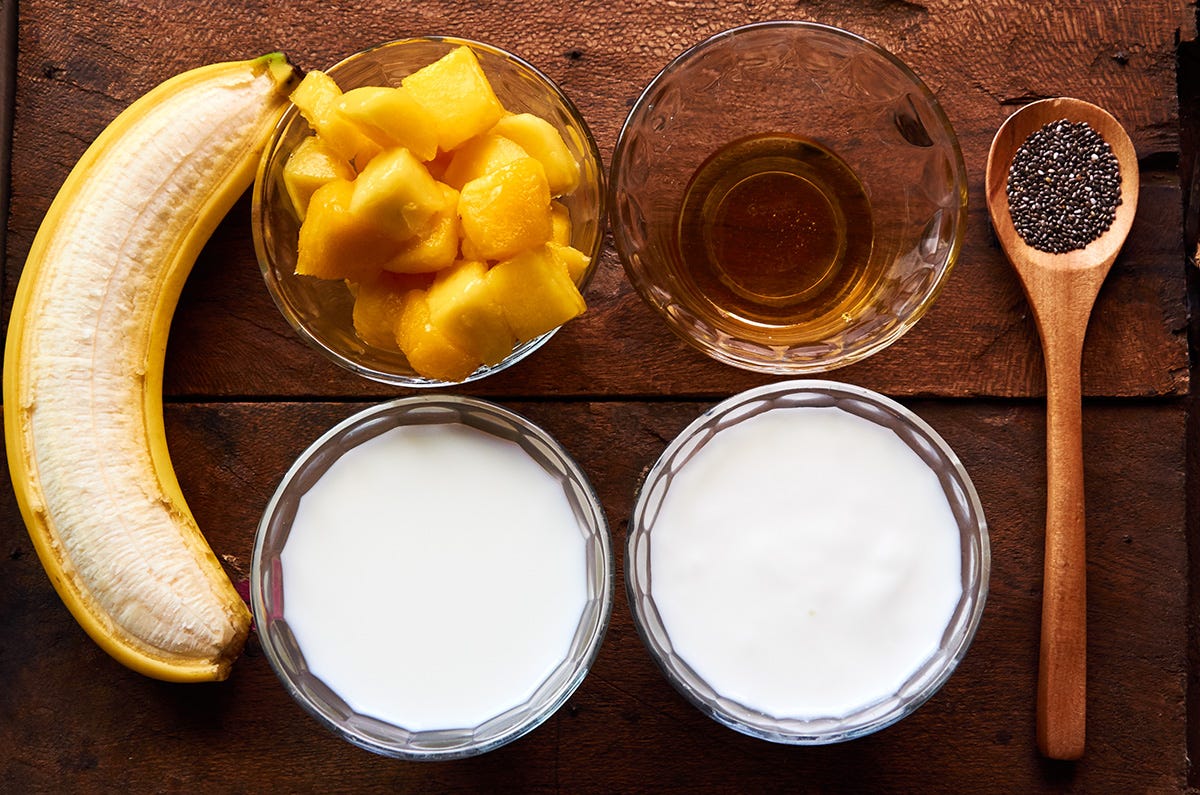
Ingredients:
2 cups of Kefir
1 Banana
1 Cup of Mango
1 Tablespoon Chia Seeds
2-3 Tablespoon of Honey
Instructions
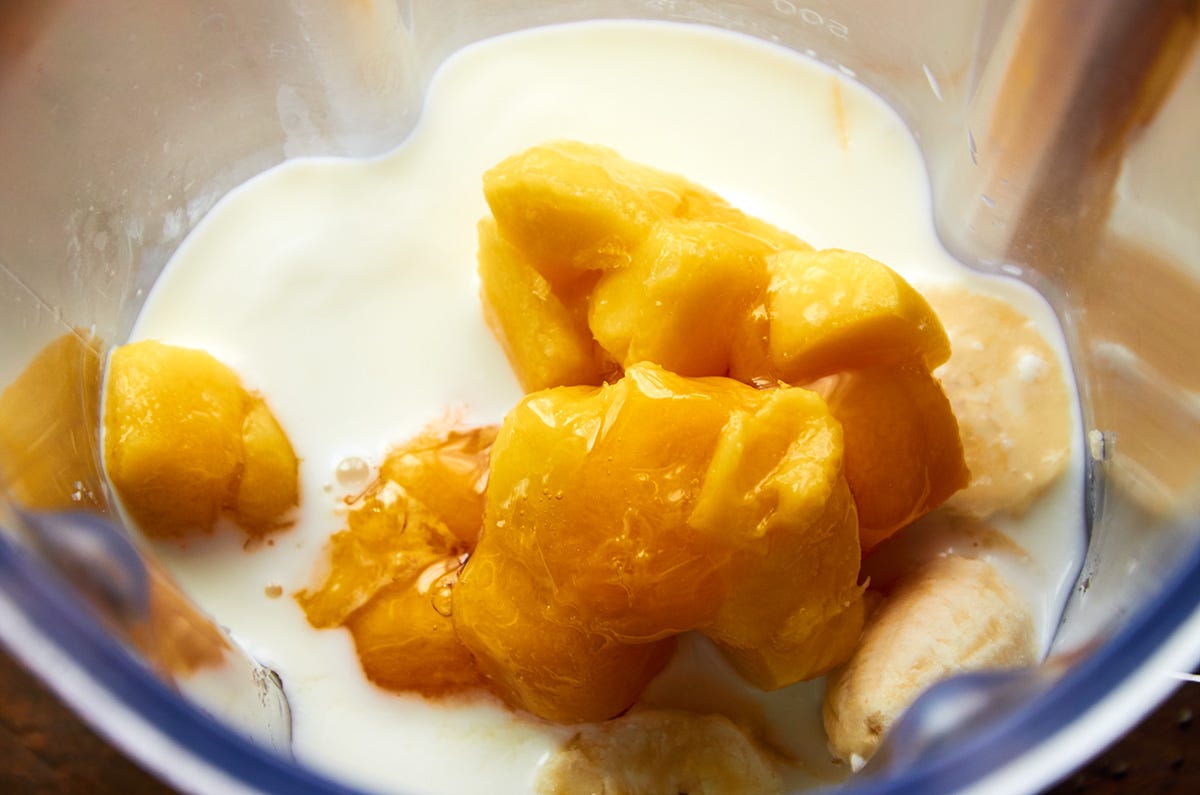
Blend all the ingredients, for about 20 seconds.
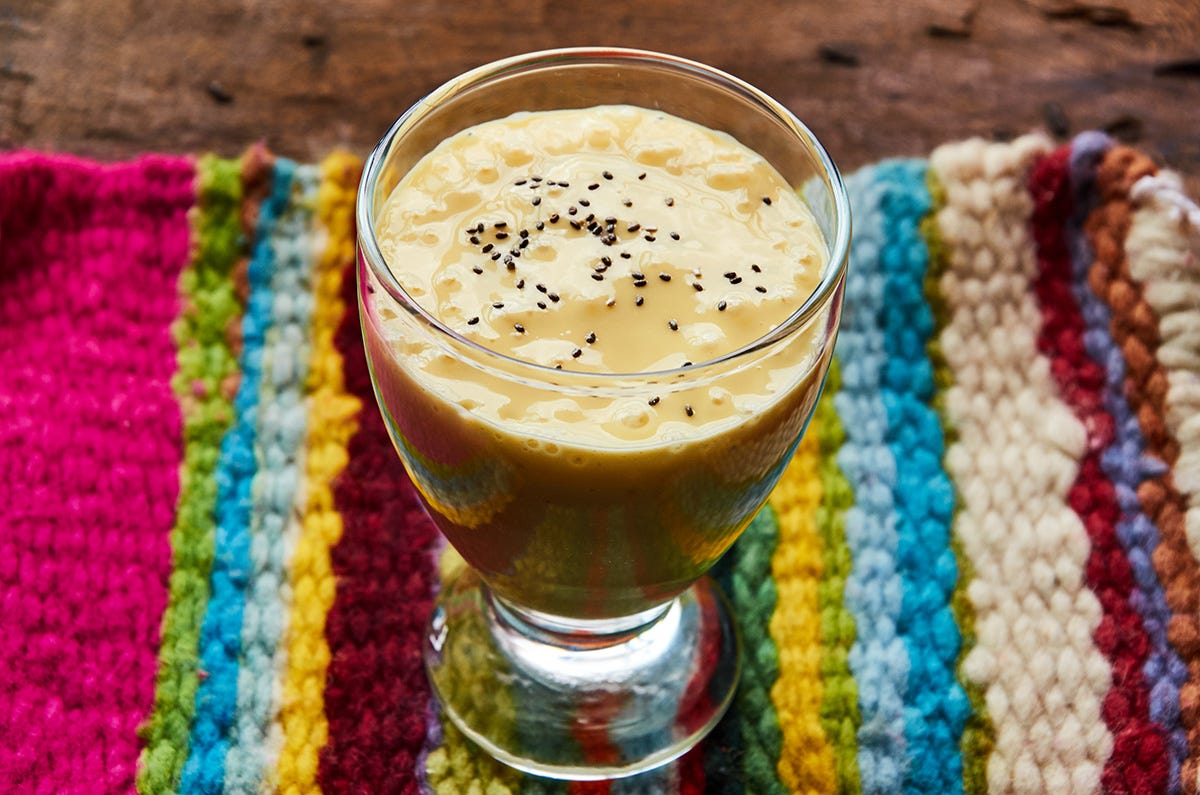
Serve with a sprinkle of chia seeds.
Kefir, breathing, movement, and cold exposure—what do they all have in common? Both could help reduce inflammation in the body and support healthy immune function.

Rich in probiotics
Kefir contains a wide variety of beneficial microorganisms. These may help support a healthy balance of microbes in the digestive system.
May improve digestion
Some people find that kefir helps with digestive comfort and regularity. Because the microbes partially break down milk components during fermentation, kefir can be easier to digest than regular milk for some individuals.
May help with lactose intolerance
The fermentation process reduces lactose content and provides enzymes that help digest lactose. Many (though not all) people with lactose intolerance tolerate kefir better than milk.
Good source of nutrients
Milk kefir can provide:
Protein
Calcium
Phosphorus
Vitamin B12
Riboflavin (Vitamin B2)
Potassium
The exact nutrient profile depends on the type of milk used.
Supports bone health
Because it contains calcium and protein, kefir can be part of a diet that supports healthy bones. Some varieties also contain vitamin K2, which plays a role in bone metabolism.
May support immune function
The gut microbiome and immune system are closely connected. Some studies suggest probiotic foods like kefir may help support normal immune function, though more research is ongoing.
Possible side effects
When first introducing kefir, some people experience:
Gas
Bloating
Changes in bowel habits
These effects are often mild and may lessen as the body adapts.
How much should you drink?
If you’re new to kefir, a common approach is to start with ½ cup (120 mL) per day and see how you feel, then gradually increase to 1 cup (240 mL) or more if desired.
RESET HUMAN TRANSFORMATION / Breathing, Movement and Cold Exposure.

Learn how to regulate your nervous system through breathwork, meditation, and cold exposure.
Discover practical exercises to build better habits, strengthen resilience, and transform your mindset.