


Mexican architecture is the result of a rich mix of indigenous traditions, European colonial influences, and modern currents from the 20th and 21st centuries. This combination makes it highly diverse depending on the region and historical period.
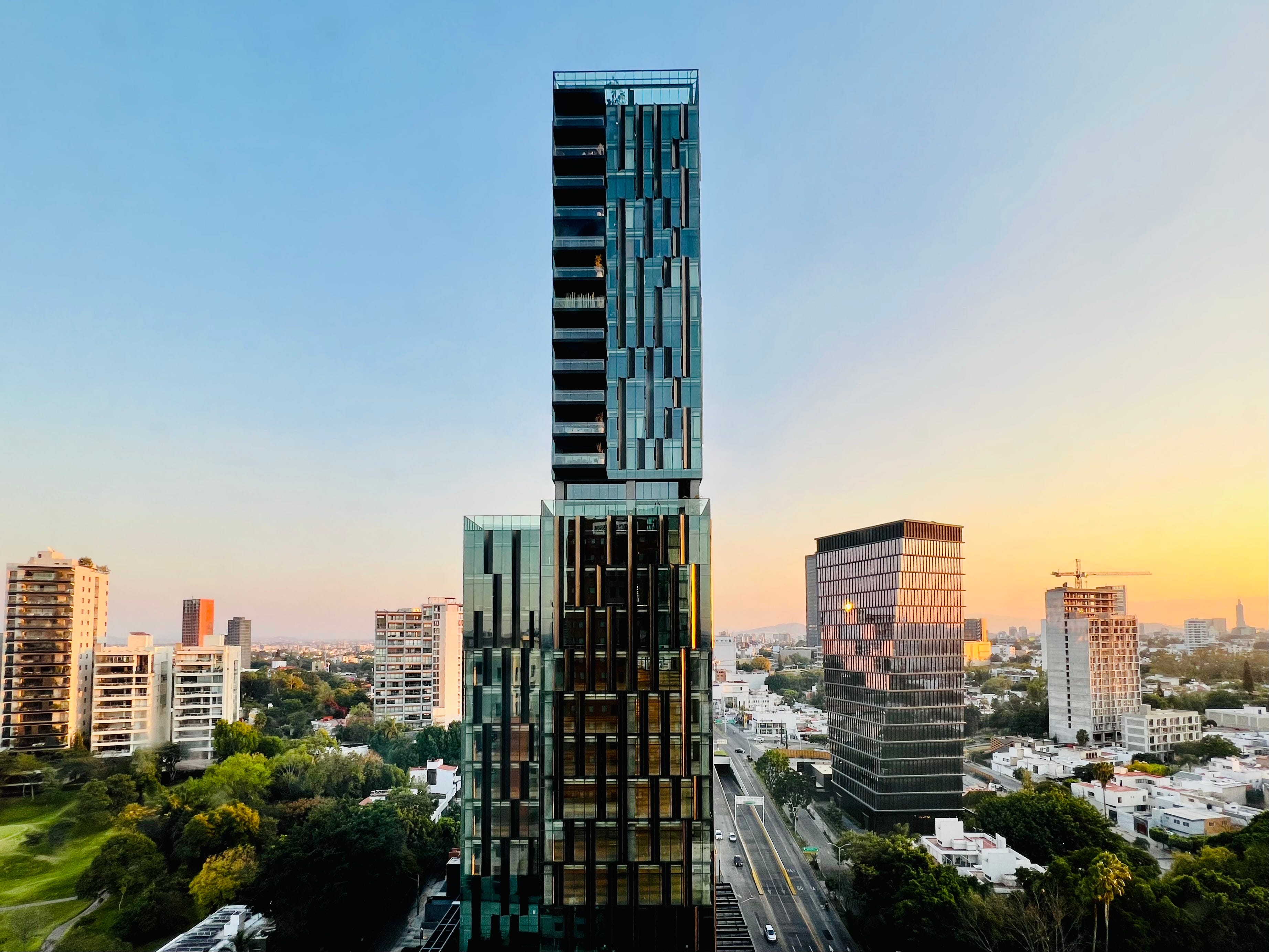
Niba tower, Guadalajara Jalisco.
The Evolution of Mexican Architecture
Pre-Hispanic Foundations
Before the Spanish arrived, civilizations such as Teotihuacán and the Maya had already developed advanced architectural systems. Cities like Teotihuacán and Chichén Itzá were carefully planned around astronomy, ritual spaces, and monumental stone structures such as pyramids and ceremonial avenues.
Colonial Period
With the Spanish conquest, new urban models emerged based on grid layouts centered around main plazas. In cities like Mexico City, built over Tenochtitlan, European Baroque and Renaissance styles merged with local traditions, giving rise to the richly ornamented Mexican Baroque seen in places like Puebla and Oaxaca.
19th Century Identity Building
After independence, architecture became a tool for expressing national identity. Neoclassical and eclectic styles dominated public buildings, while new infrastructure such as railways and boulevards reshaped cities with European influence.

Mexican Modernism
The 20th century introduced a powerful modernist movement led by architects like Luis Barragán and Juan O’Gorman. Their work combined international modernism with local identity through color, light, muralism, and a strong connection to landscape and tradition.
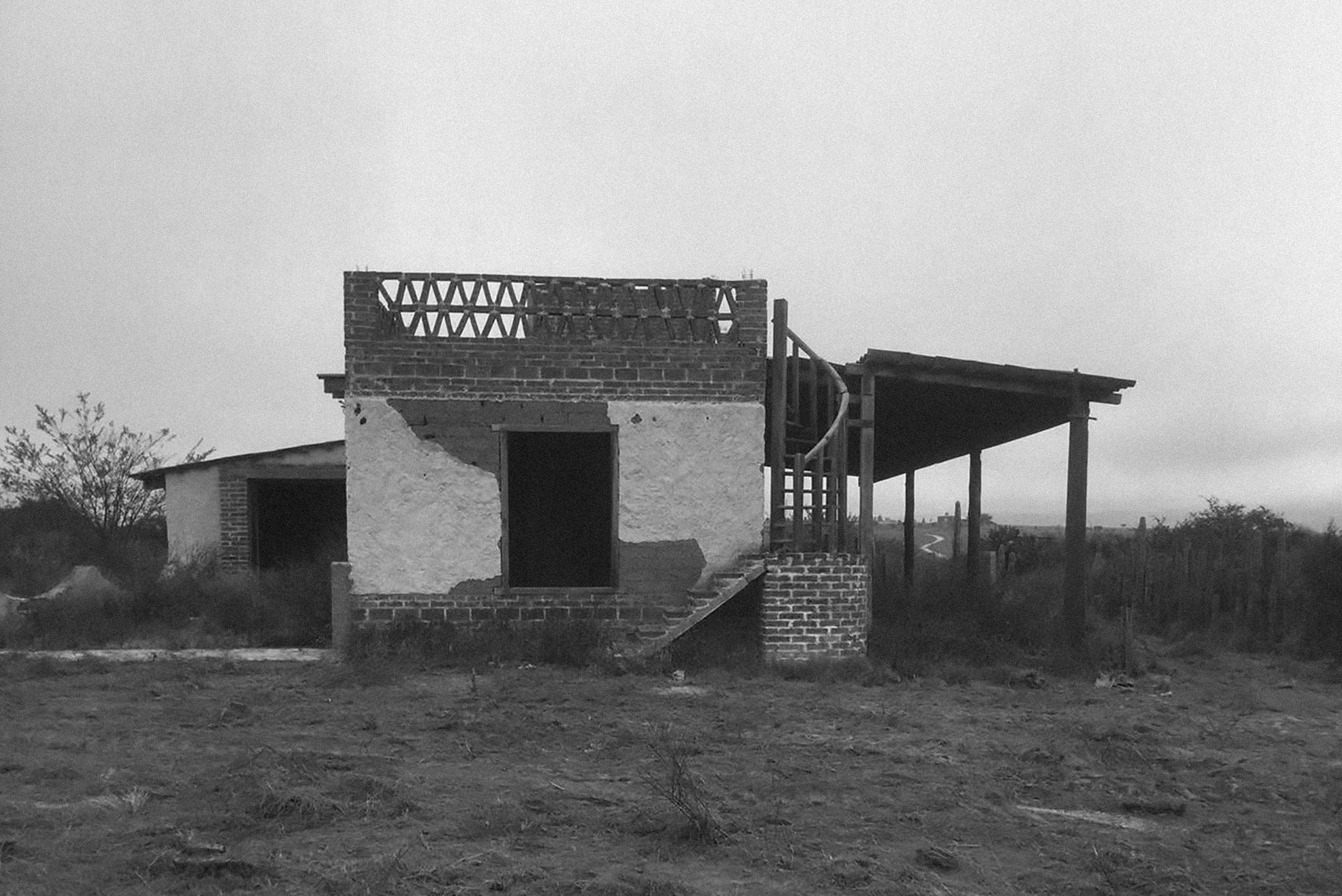
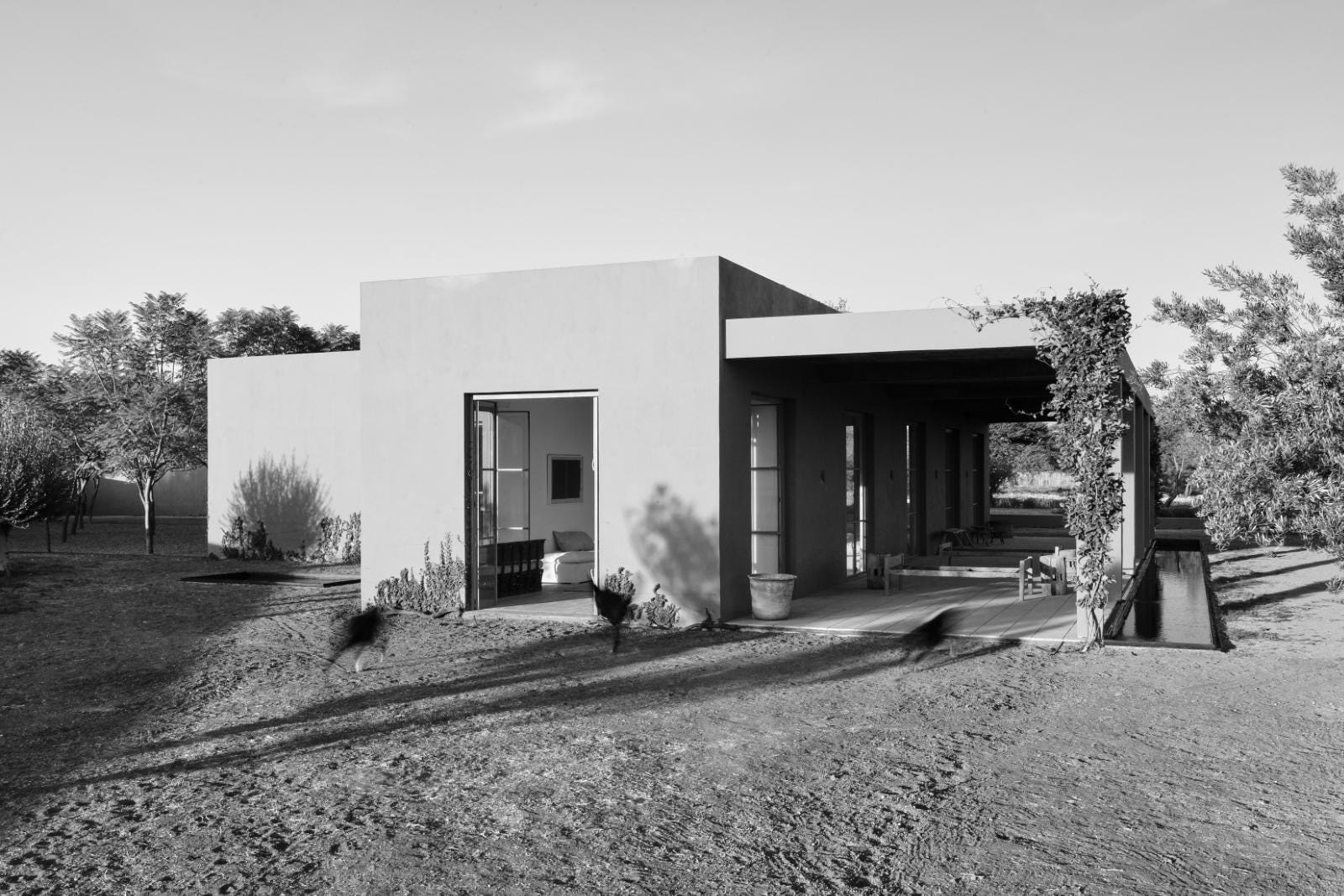
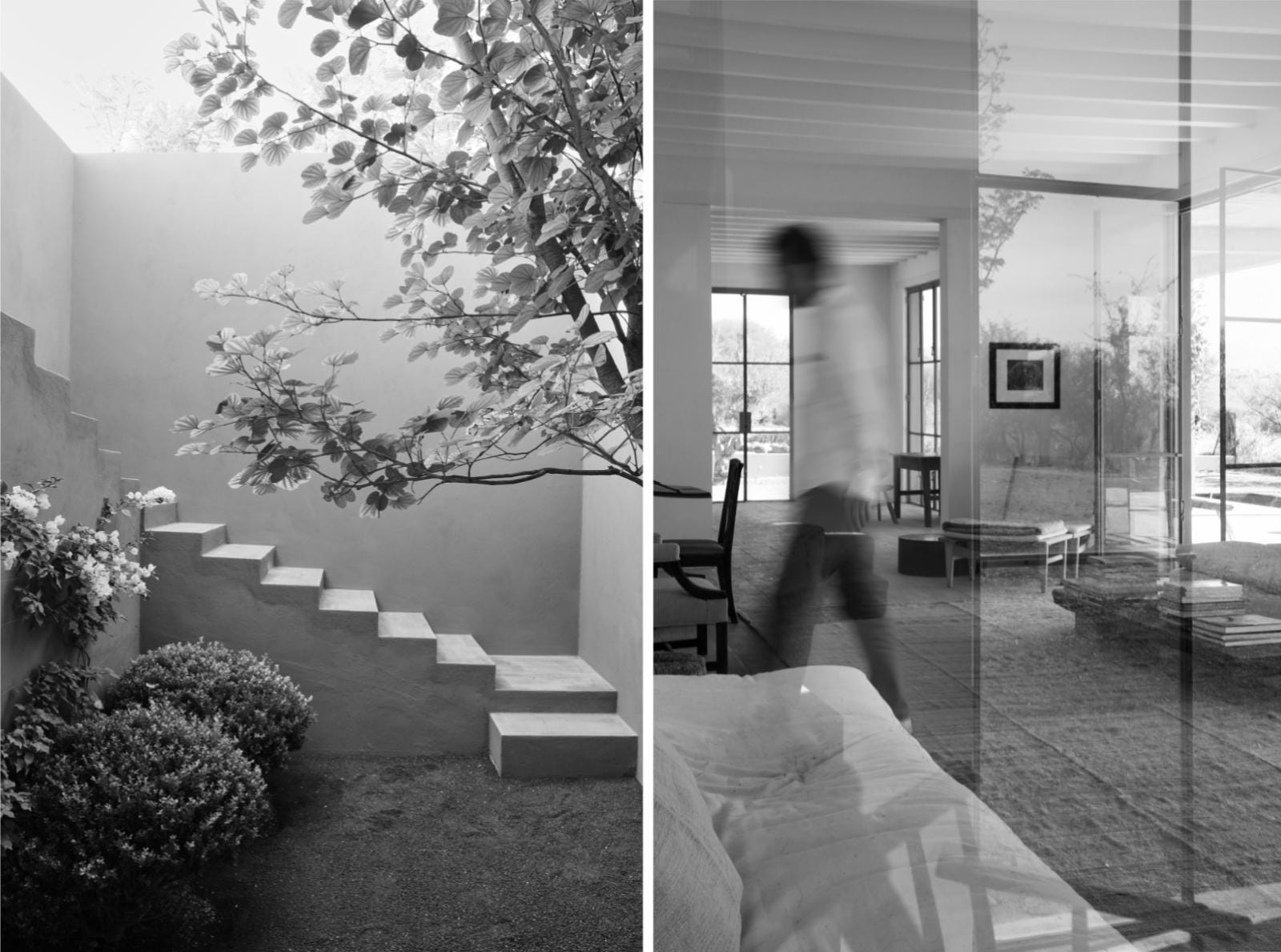
Located in the countryside near San Miguel de Allende Guanajuato, México. This project involves the adaptation and expansion of a modest adobe brick structure for its future use as a country house. The project was conceived by interior designer Ted Wolter, with Max von Werz collaborating on the architectural concept design.
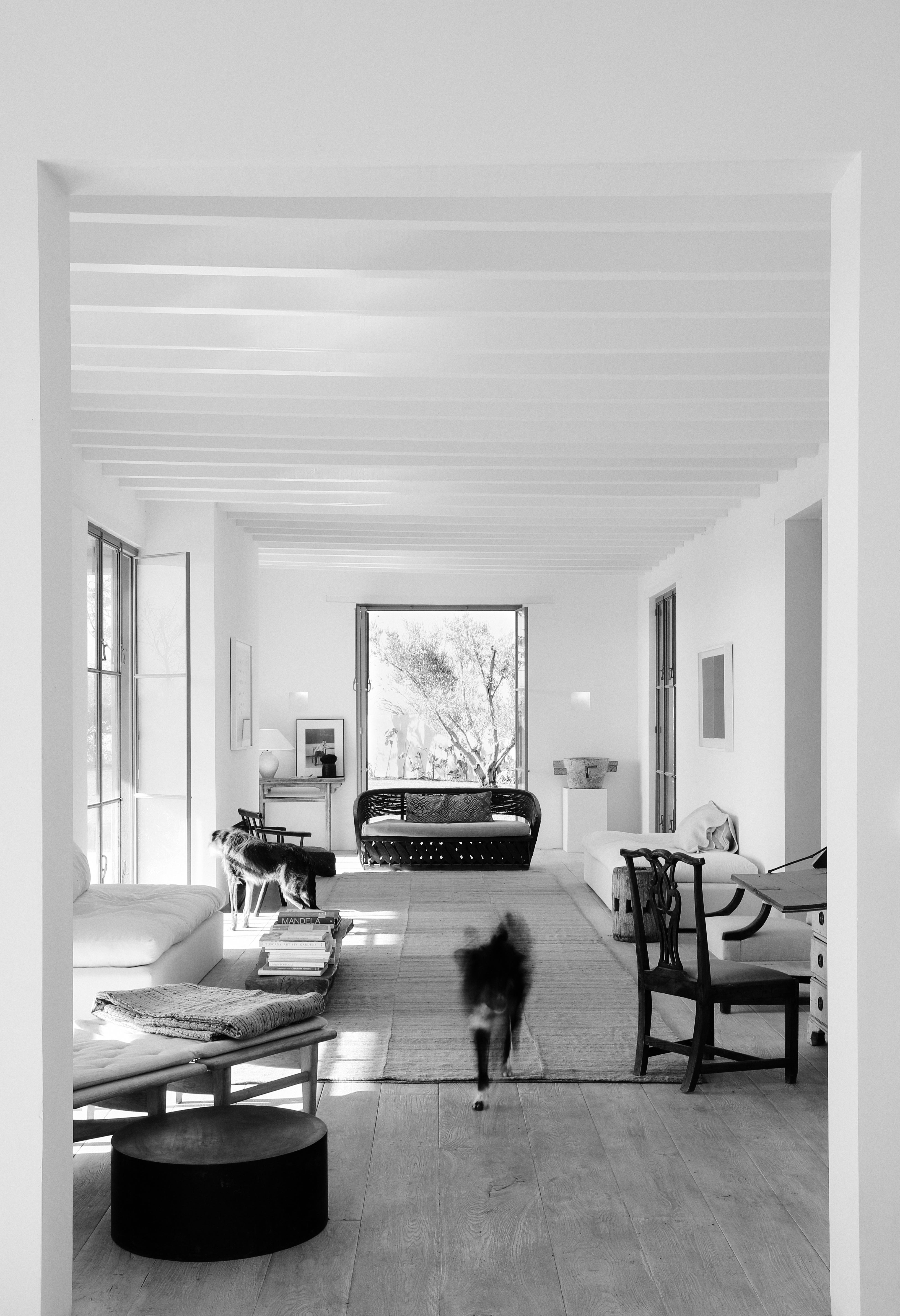
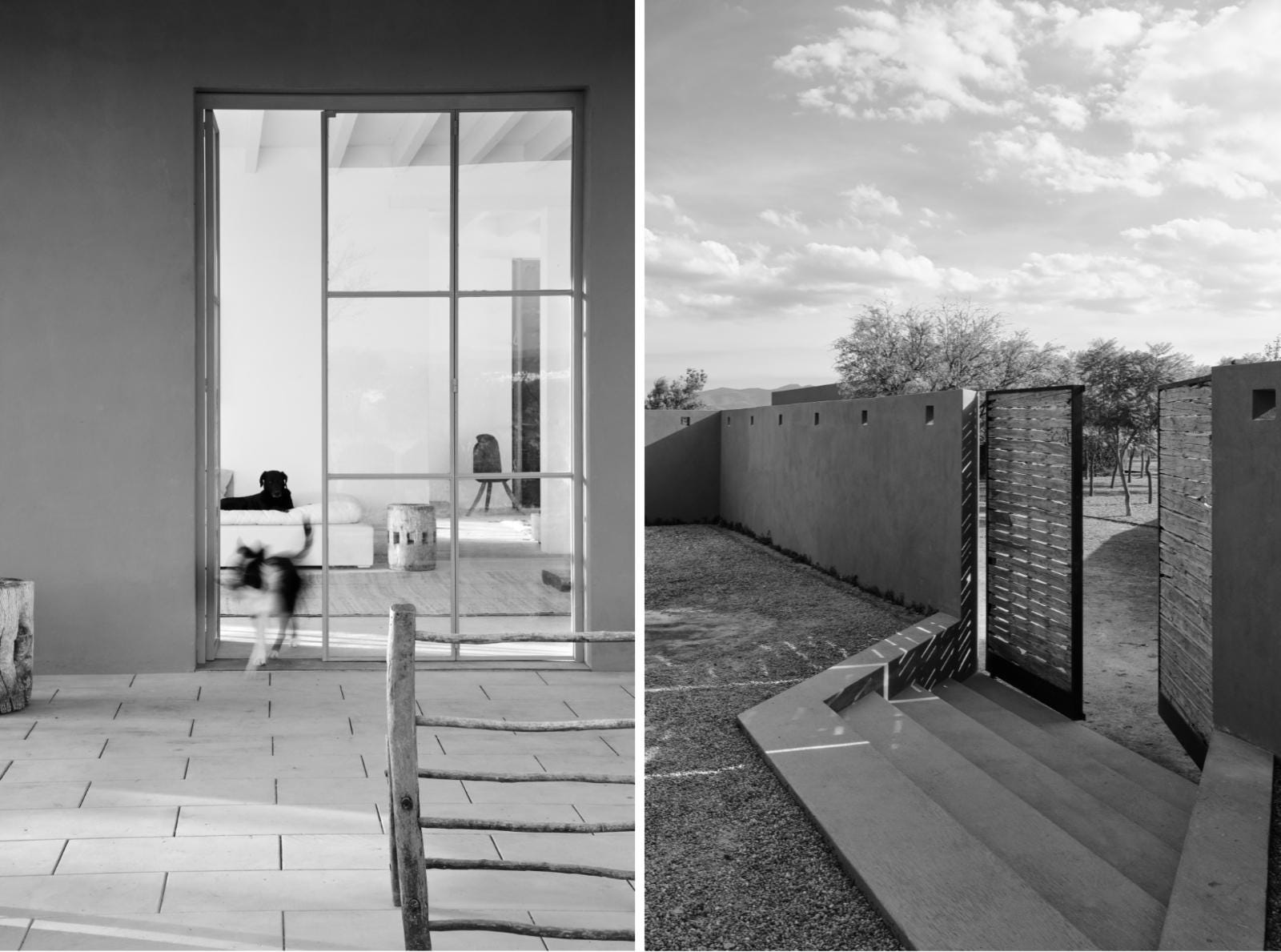
Contemporary Architecture
Today, Mexican architecture blends sustainability, minimalism, and vernacular traditions. Many projects reinterpret historical materials and forms while embracing modern design and large-scale urban development.
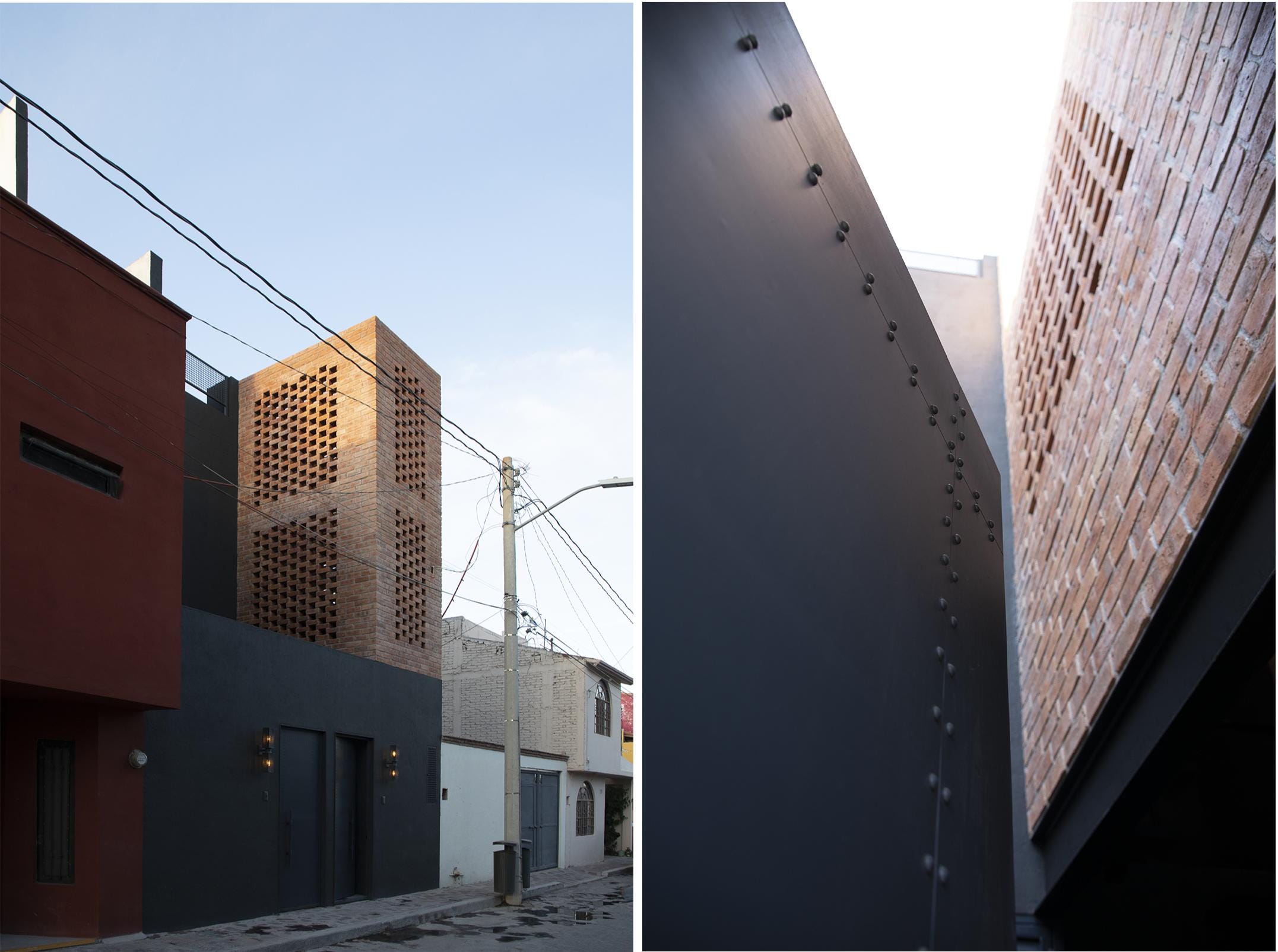
Luis Fabian Flores, Architect “Home Project”
San Miguel de Allende Guanajuato, México.
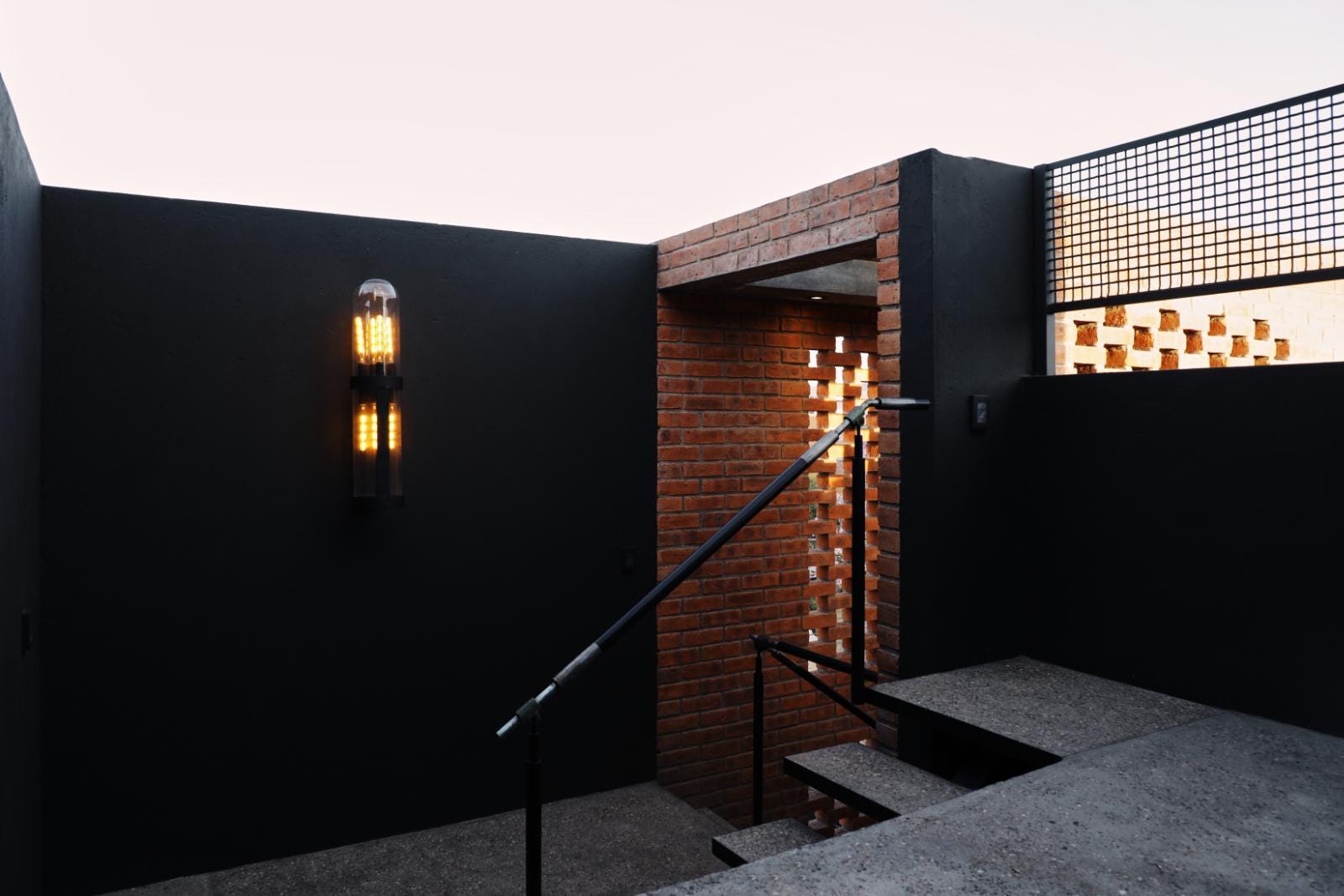
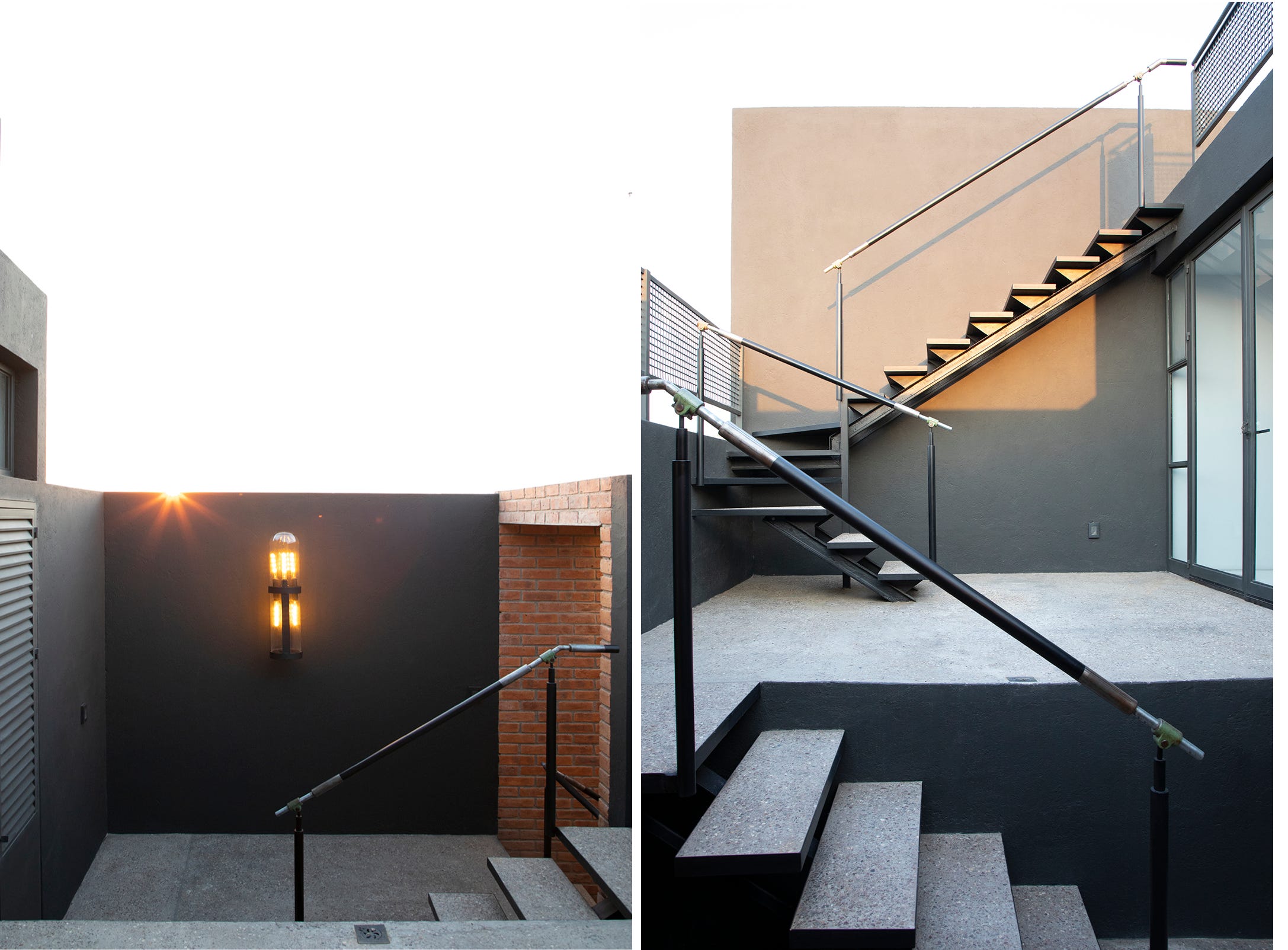
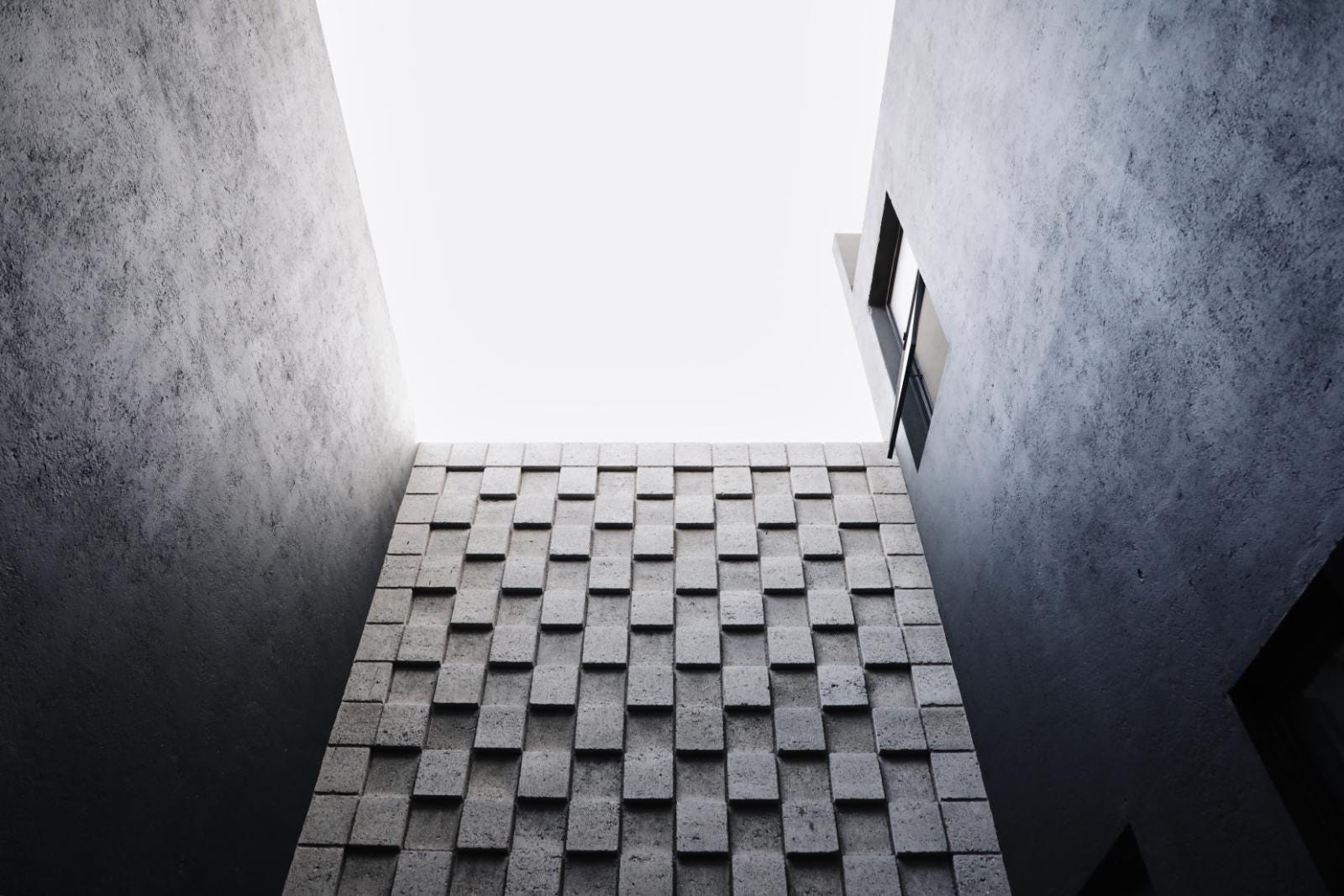
Contemporary Architecture in the estate of Guanajuato
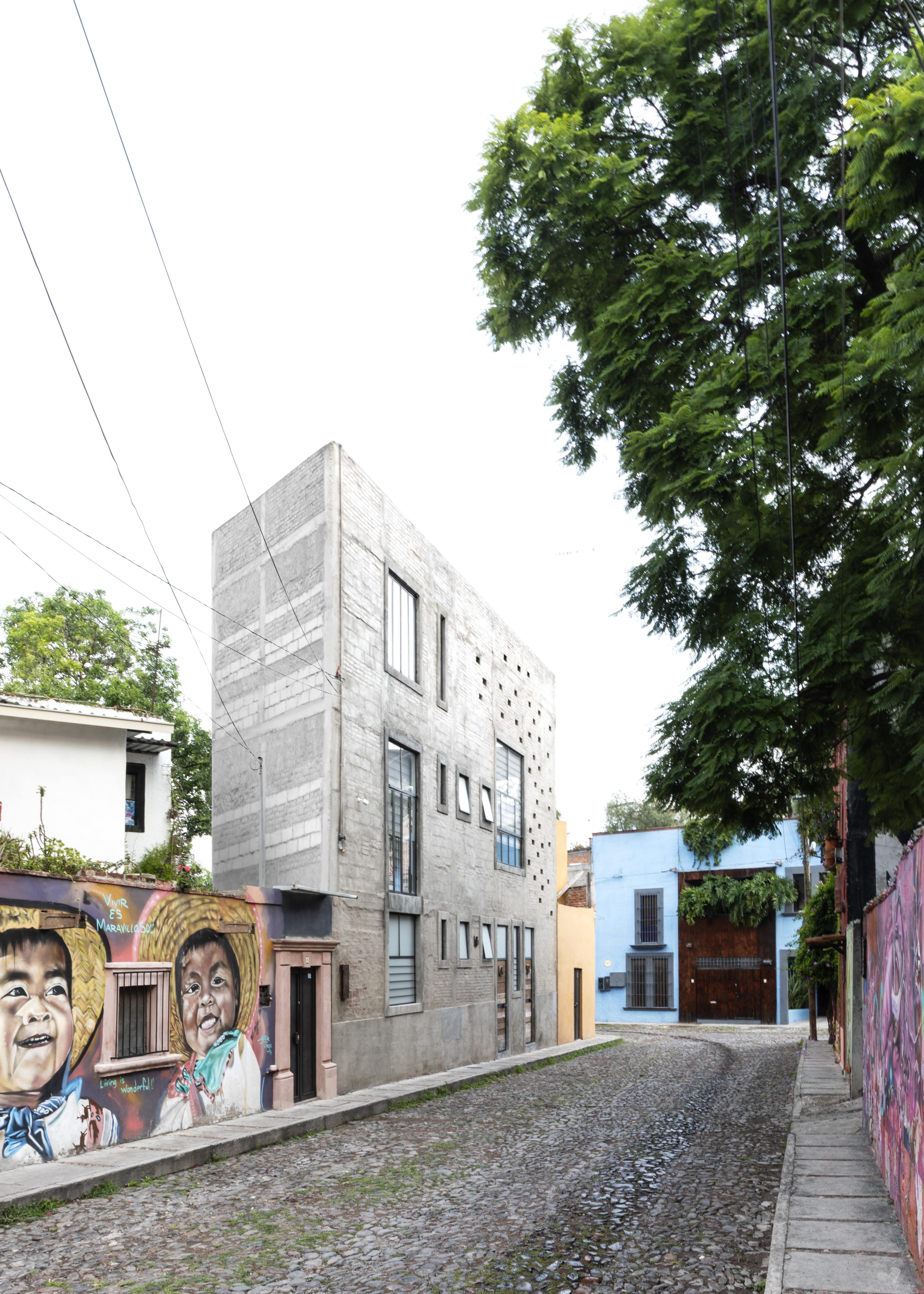
San Miguel de Allende has a very particular role because it develops inside one of Mexico’s most strictly preserved historic environments. The city is a UNESCO World Heritage Site, so any new construction must respond carefully to its colonial fabric rather than compete with it. At least when architectural projects are located outside the first square of the city center.
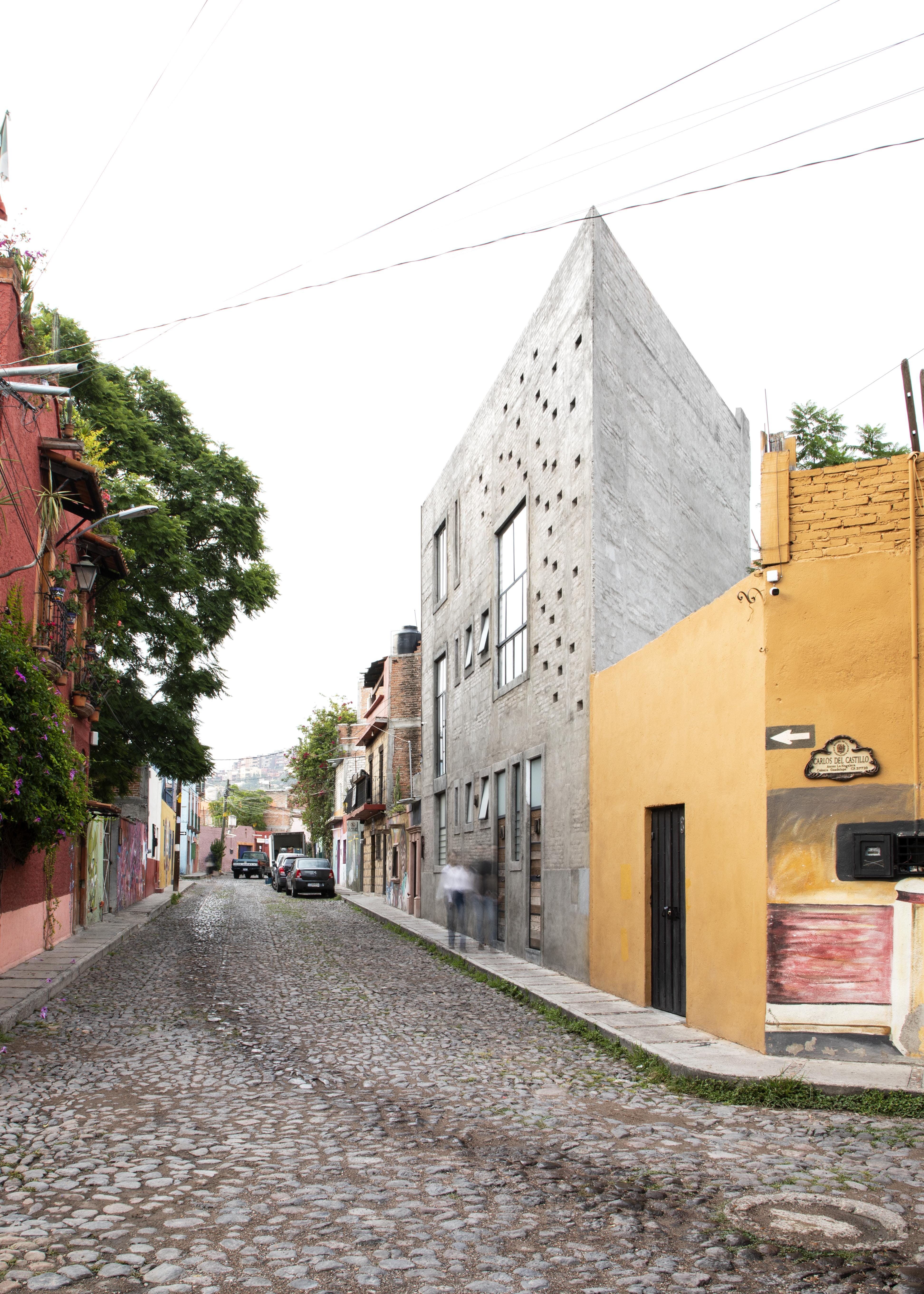
Solórzano Fischer, Architects “Loft Project”
San Miguel de Allende Guanajuato, México.
School architecture plays a crucial role in shaping the way students learn, behave, and experience their daily environment. Far from being just a backdrop for education, the design of a school actively influences academic performance, well-being, and overall motivation.
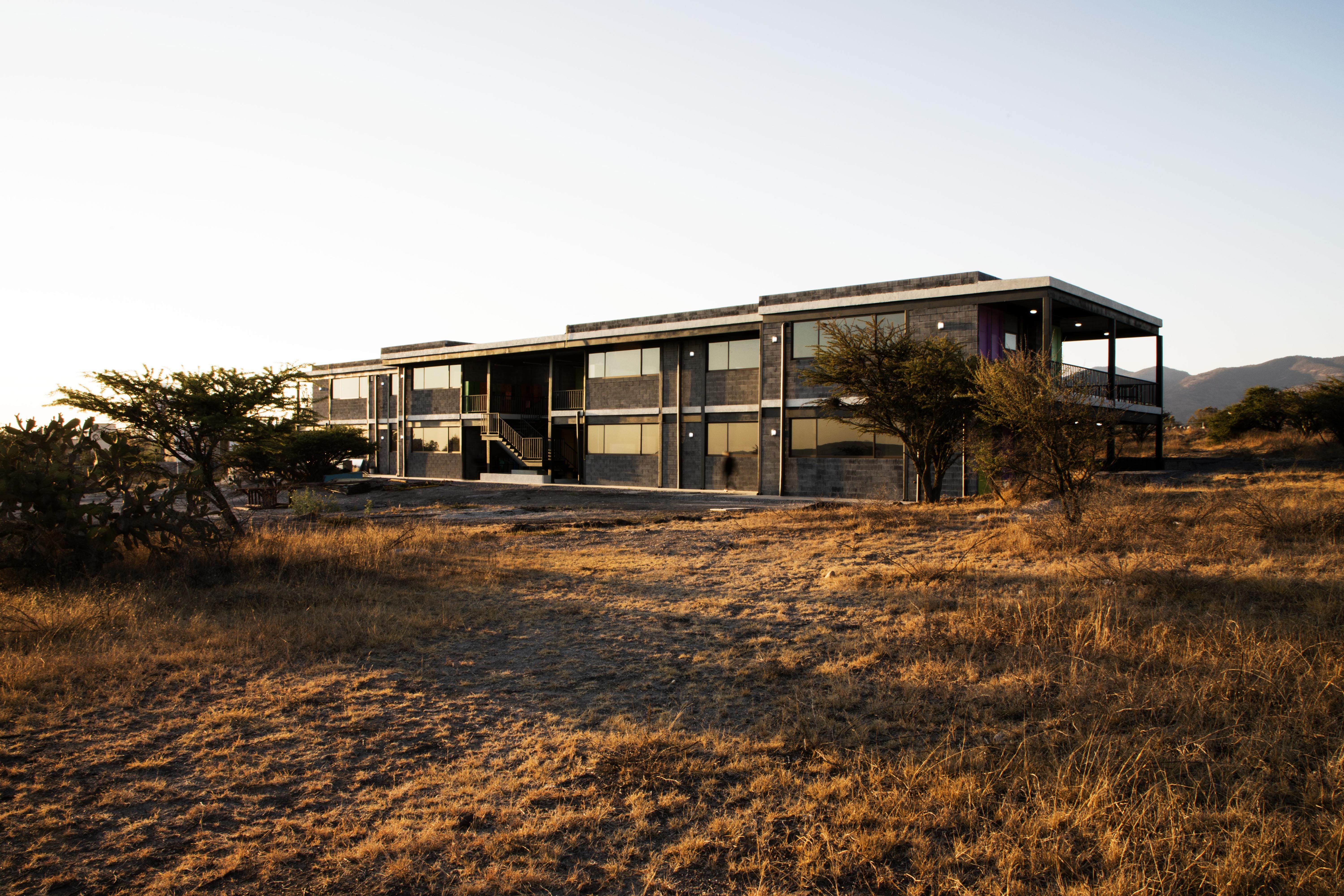
Solórzano Fischer, Architects “School Project”
San Miguel de Allende Guanajuato, México.
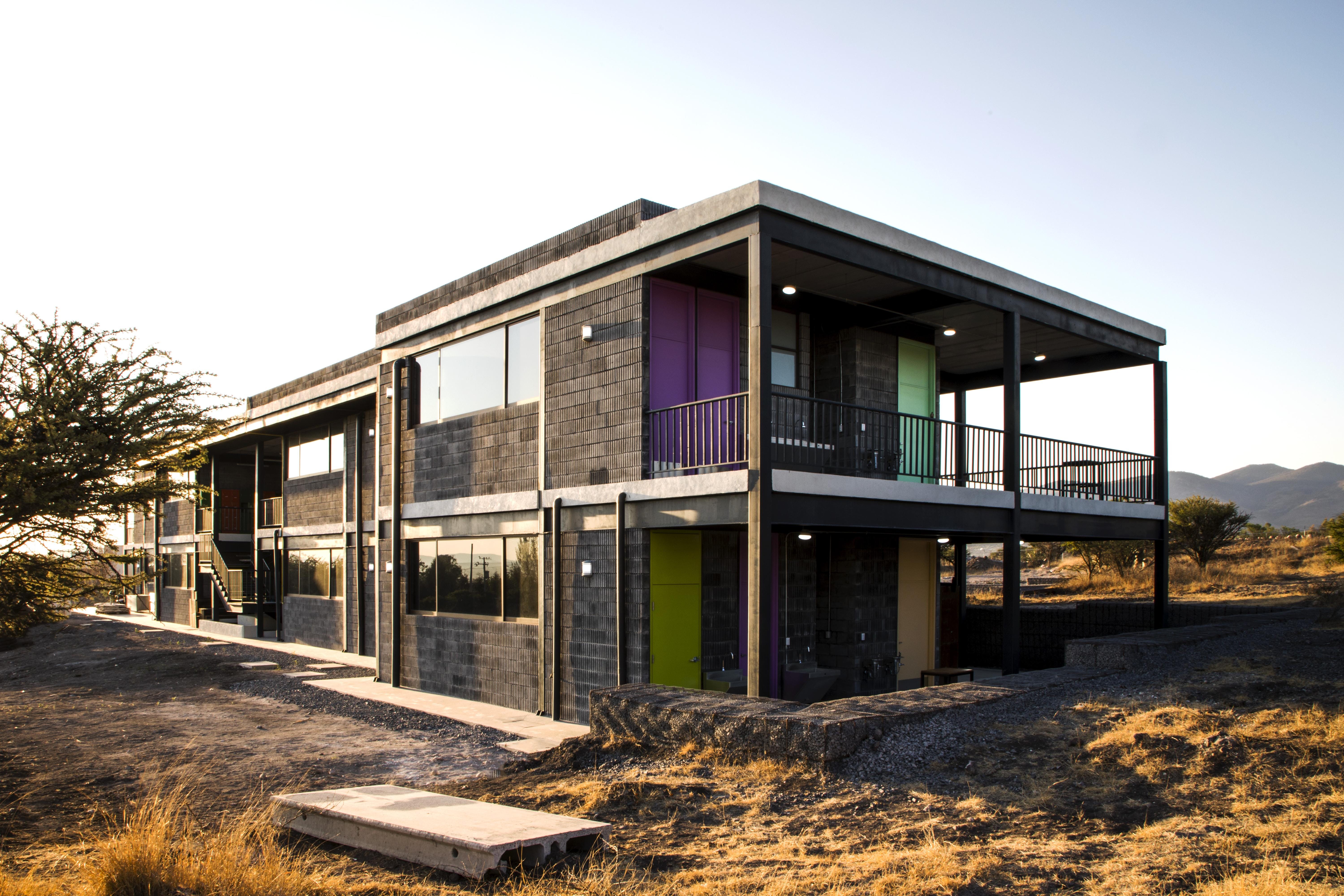
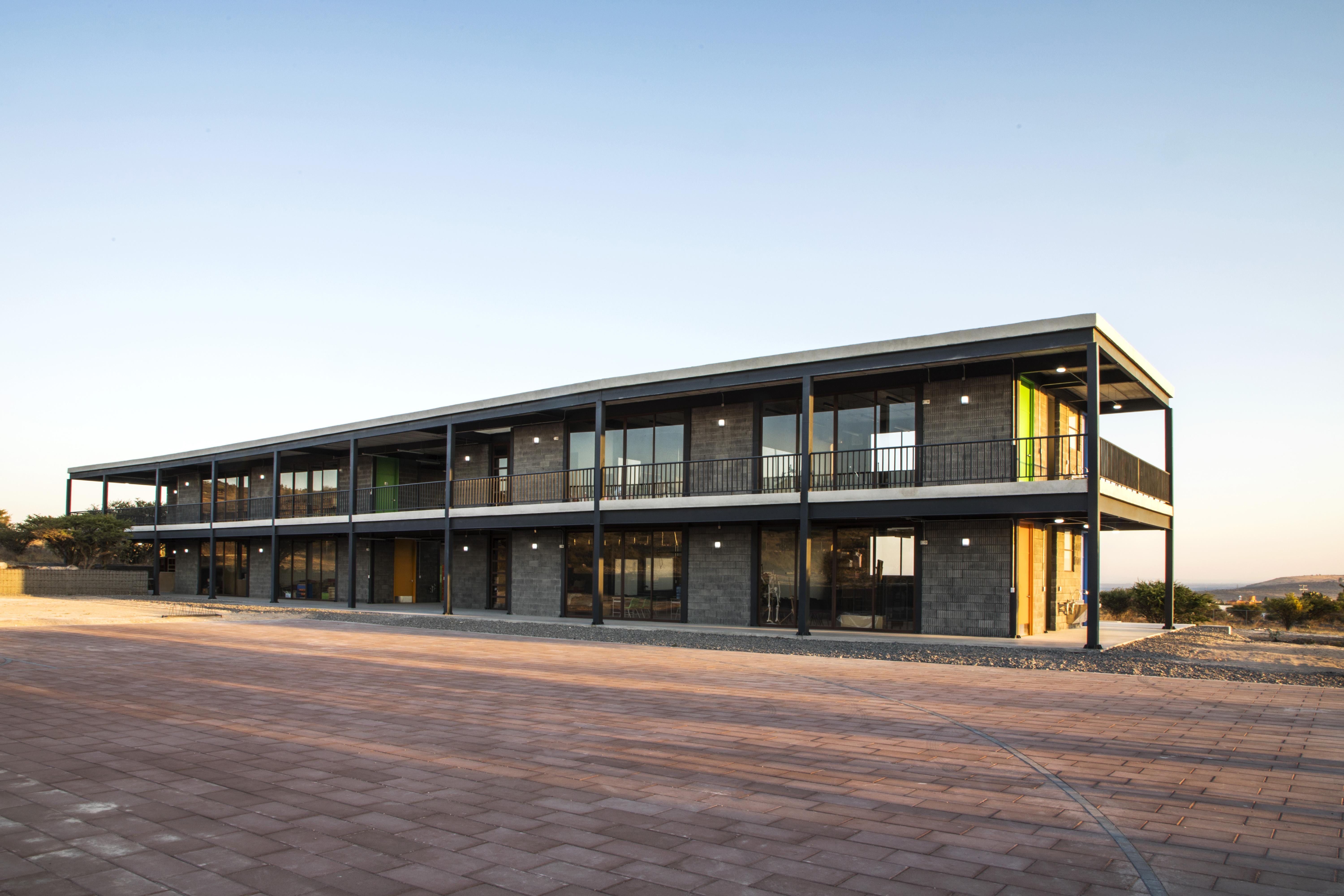
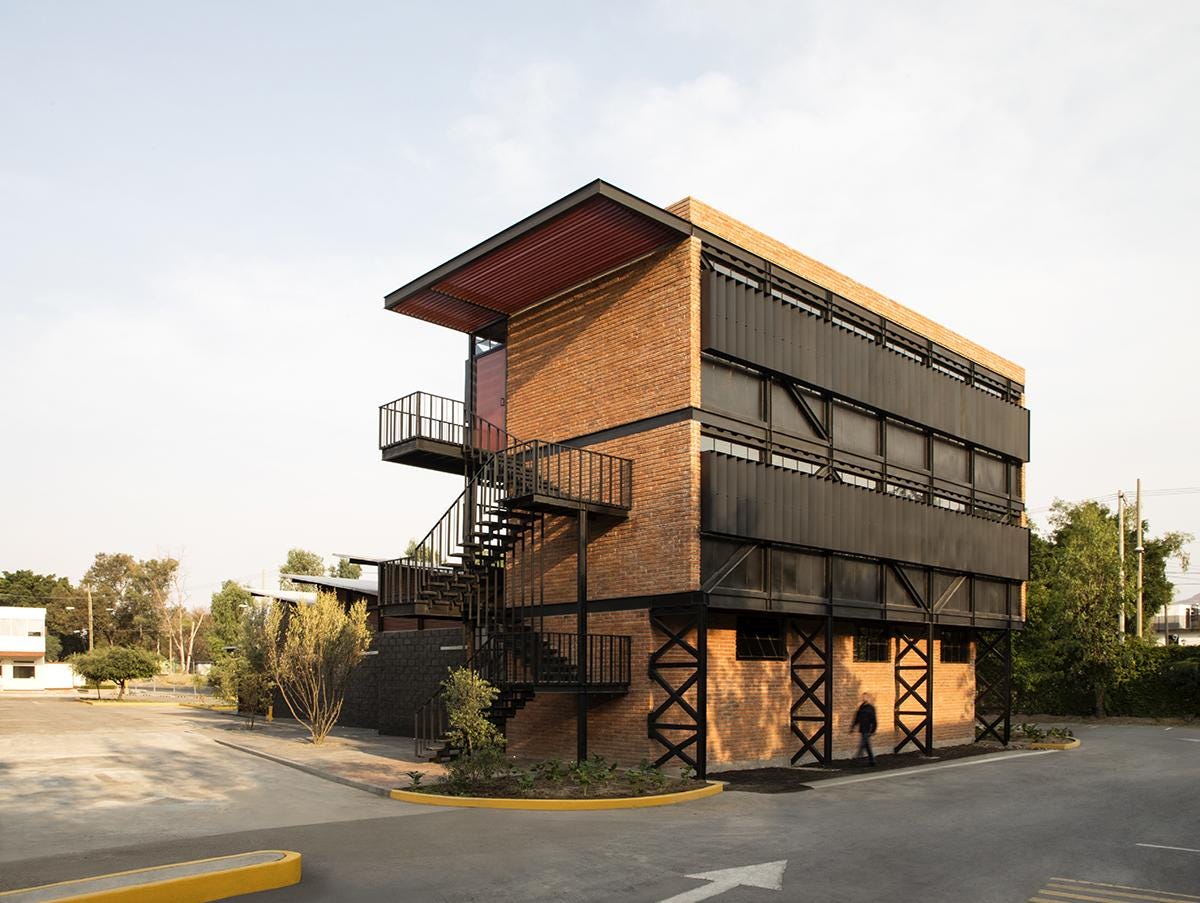
SOFA Architects “Industrial Practices Workshop Building” University Institute.
Francisco Solórzano, Architect.
Irapuato Guanajuato, México.