


It is commonly believed that a chilango is someone who was born in Mexico City. However, according to another interpretation of the term, a chilango is actually a person who migrated from another part of Mexico (known colloquially as provincia) to live in the capital.
This distinction reflects one of the longstanding debates surrounding the meaning and origin of the word. While today the term is widely used to refer to anyone from Mexico City, some argue that its original meaning referred specifically to newcomers from the provinces who settled in the capital. The term is a colloquial demonym that has evolved from having negative connotations to becoming a symbol of pride and cultural identity.
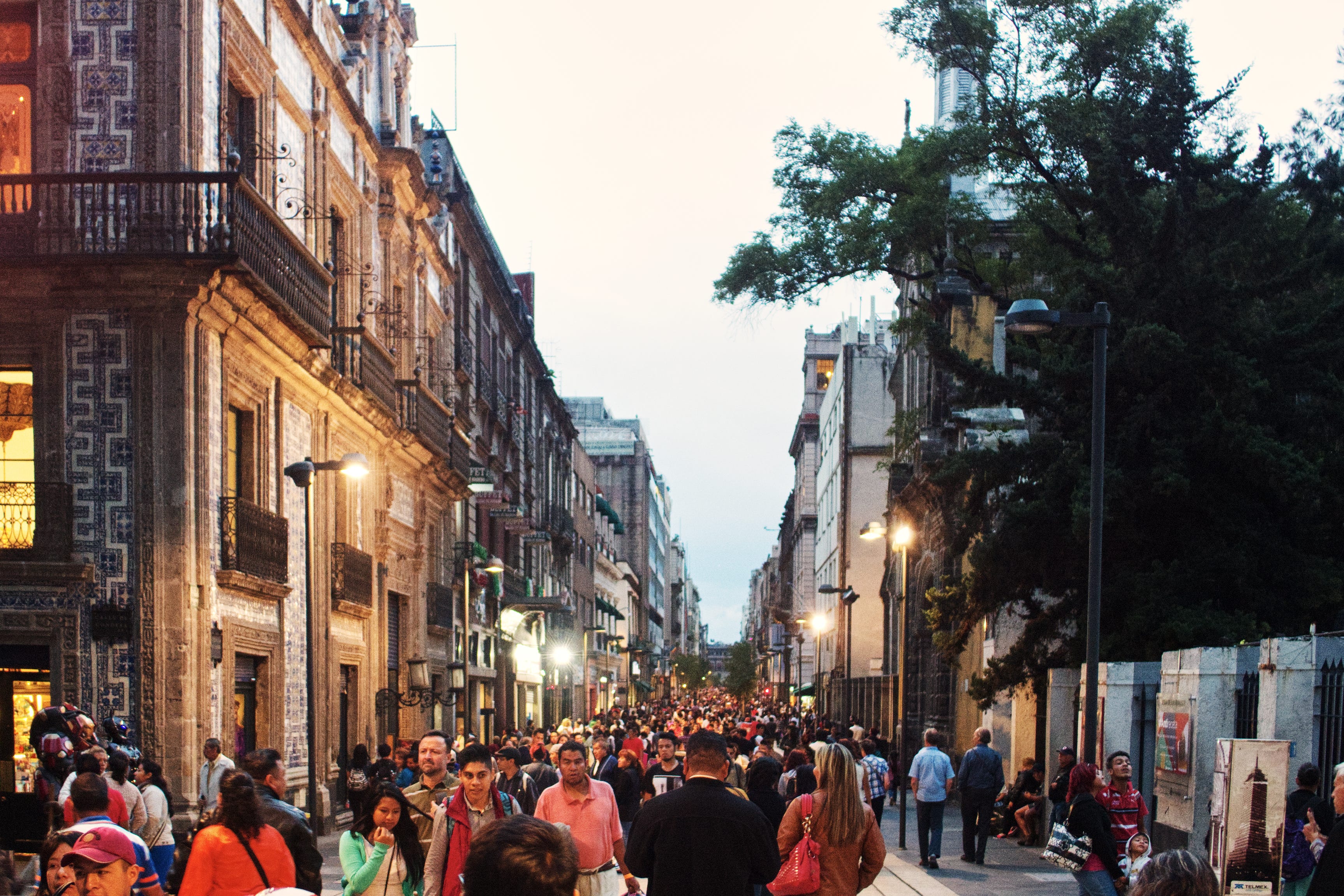
Evolution and Origin of the Term
The exact origin of the word chilango remains uncertain, and several theories have been proposed regarding its roots in Indigenous languages or its emergence as a nickname coined by outsiders.
Nahuatl: Some scholars link it to chilangoatl, associating it with the words for “chili” or “monkey,” while others suggest it derives from an expression meaning “where the red-skinned people are,” referring to skin tone.
Mayan: Another theory connects it to the Mayan word xilaan, meaning “messy” or “disheveled hair.”
Reappropriation: During the 1980s and 1990s, chilango became widely used as a derogatory label by people from other parts of Mexico to refer to residents of the capital, reflecting tensions over the country’s political and economic centralization. Over time, however, the term was reclaimed by Mexico City residents and is now commonly used with pride, humor, and a strong sense of local identity.
Current Usage
Today, the Royal Spanish Academy (RAE) officially defines chilango as a colloquial adjective referring to a person from, or something related to, Mexico City.
Capitalino vs. Chilango
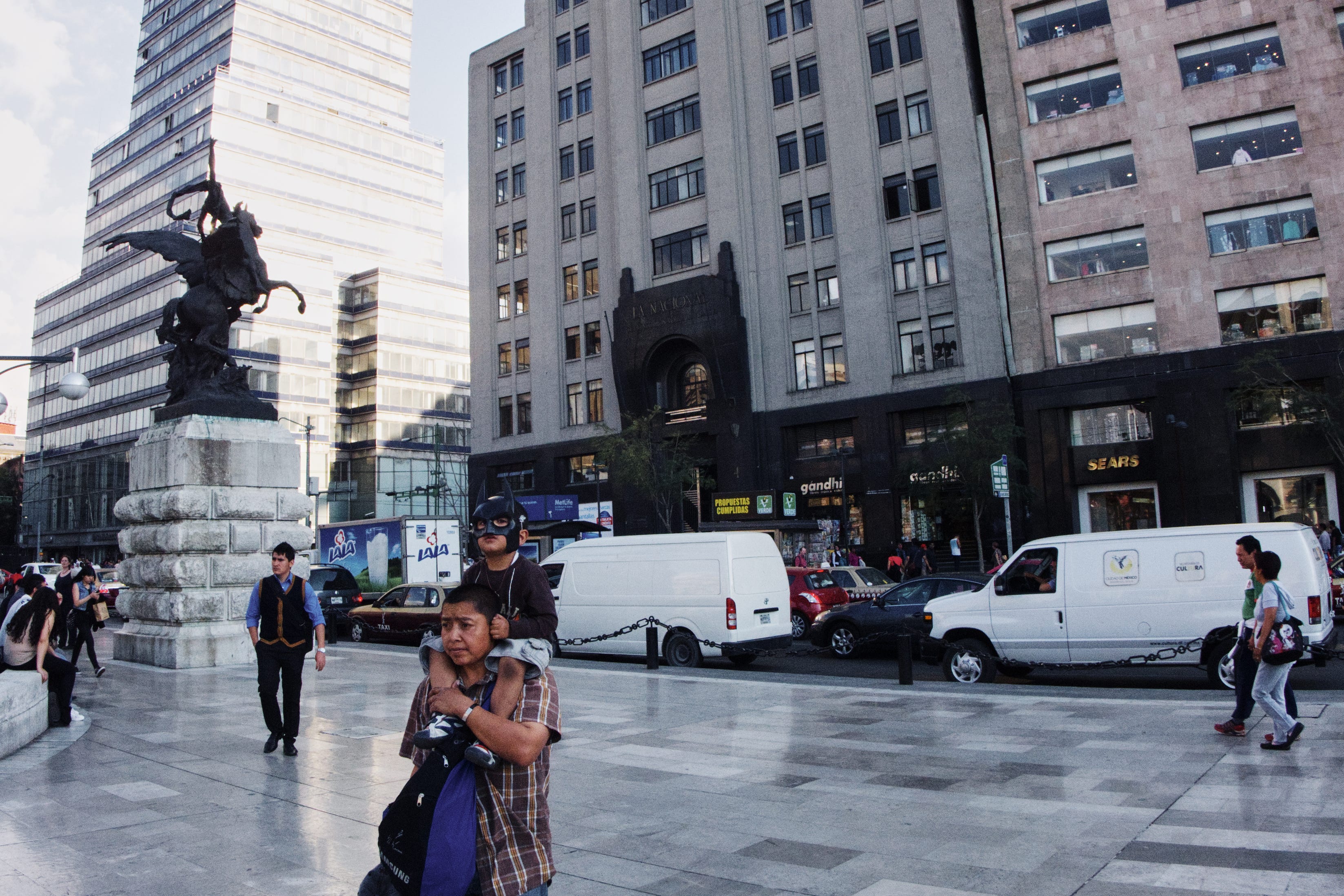
Although both terms refer to people from Mexico City, capitalino is the more formal demonym. Chilango, by contrast, conveys a stronger sense of urban identity and is closely associated with the city’s culture, folklore, and everyday life.
The torta cubana is a towering Mexican sandwich that begins with a telera roll sliced in half and generously layered with pork leg, Oaxaca cheese, yellow cheese, Chihuahua cheese, breaded beef (milanesa), sausage, and a variety of other fillings. Every sandwich shop adds its own signature touch by including a unique ingredient or variation. Before it is closed, the sandwich is typically finished with slices of avocado and either pickled peppers or chipotle peppers.
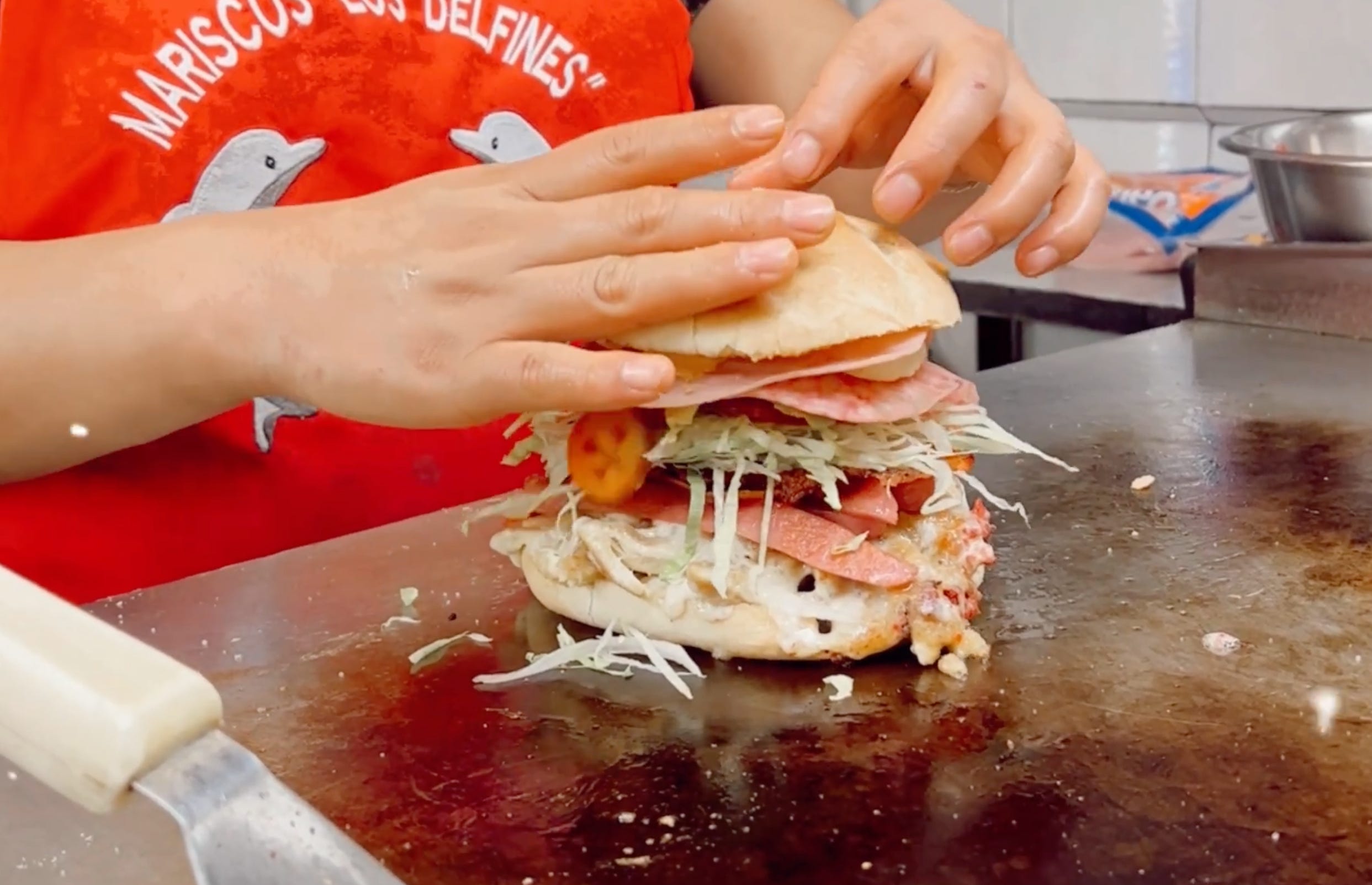
There is also a more traditional interpretation of the torta cubana, which is specifically made with turkey, roasted pork leg, or roasted pork loin. For convenience, however, many establishments substitute the pork loin with cured pork leg (pierna española), while retaining the sandwich’s distinctive overstuffed character.
Origin
Before the torta cubana became popular, tortas compuestas were already being sold in Mexico City. Beginning in the late 1800s, torteros (torta vendors) walked through the streets carrying baskets filled with prepared teleras—these early sandwiches were served cold.
As a historical reference, the specialist notes that journalist Artemio de Valle Arizpe described some of the first torta sellers in the capital during the Porfirian era. In addition, a 1899 work titled Las luces de los ángeles already featured a tortero as a character, and José Vasconcelos recalled serving chicken and sardine tortas at a student gathering during that period.
This was also the era when Armando Martínez Centurión began selling tortas in 1892. He is considered by many to be the first tortero in the country. He founded Tortas Armando, the oldest tortería in Mexico City that is still operating today.
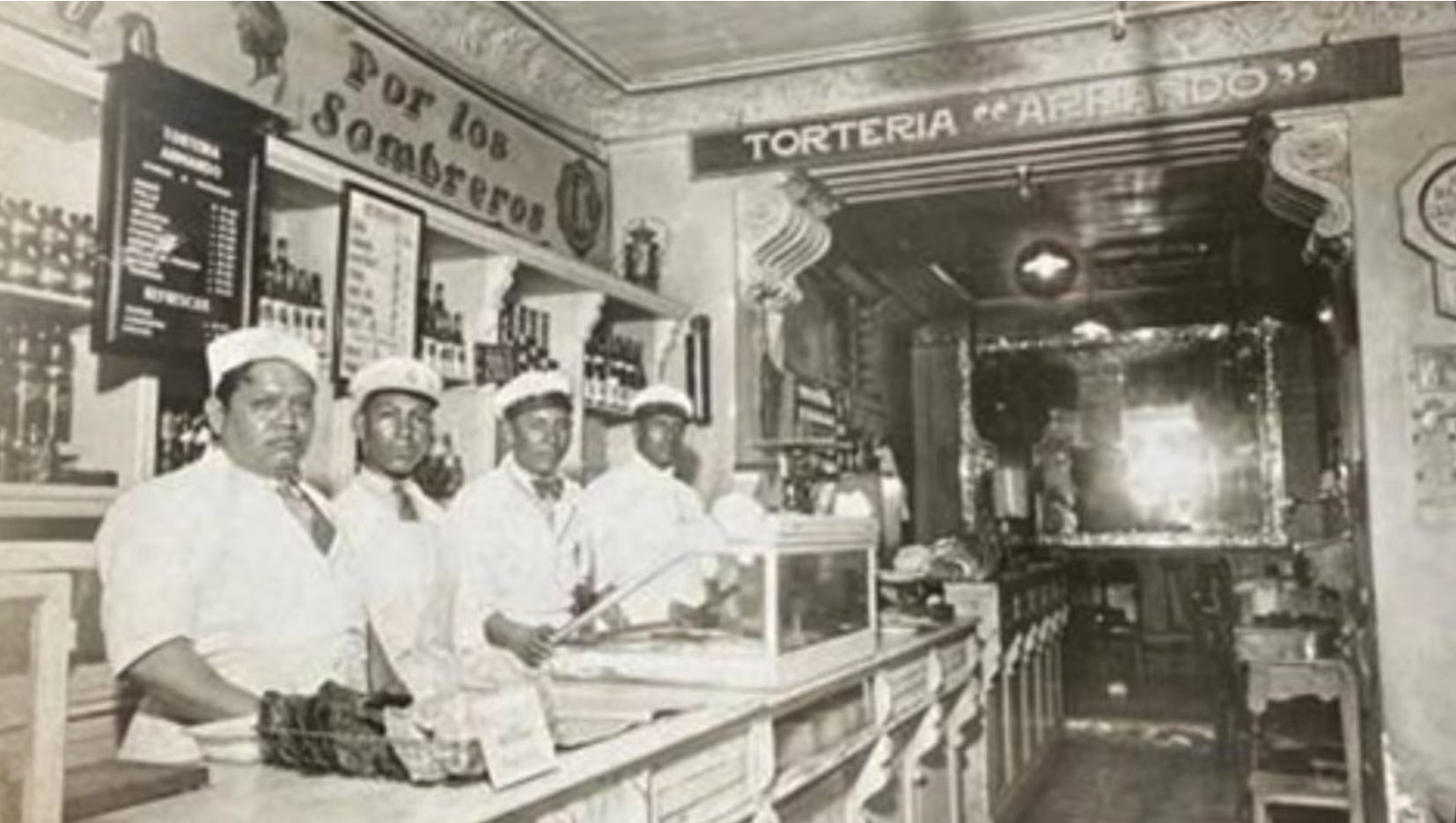
photo: facebook Tortas Armando
Why Are They Called Tortas Cubanas?
The origins of many iconic dishes are often difficult to trace, as it can be challenging to determine a single “true” creator. However, what these foods rarely lack are stories—stories filled with tradition, character, and flavor. The torta cubana is no exception. Although several versions exist about how it got its name, most accounts agree that the sandwich gained widespread popularity in Mexico City during the 1960s.
The Fidel Castro Story at La Casa del Pavo
One of the most well-known accounts connects the creation of the torta cubana with Fidel Castro and the historic Mexico City tortería La Casa del Pavo. According to this version, the Cuban revolutionary leader visited Mexico during the 1950s and is said to have met with Ernesto “Che” Guevara at the establishment located on Motolinía Street.
Felipe Mendoza Gómez, who has worked at La Casa del Pavo for more than 25 years, shared this story in a segment produced by Mexico’s Federal Consumer Protection Agency (Profeco). He explained that, during one of Castro’s visits, the Cuban politician asked the shop’s sandwich maker to prepare a torta according to his own preferences. Castro reportedly gave instructions for each ingredient, requesting a combination of turkey breast, ham, and cheese, along with a pressed and toasted bread roll. According to Mendoza, that creation became known as the torta cubana. “That is how the Cuban torta stayed here; it was born here,” he recalled.
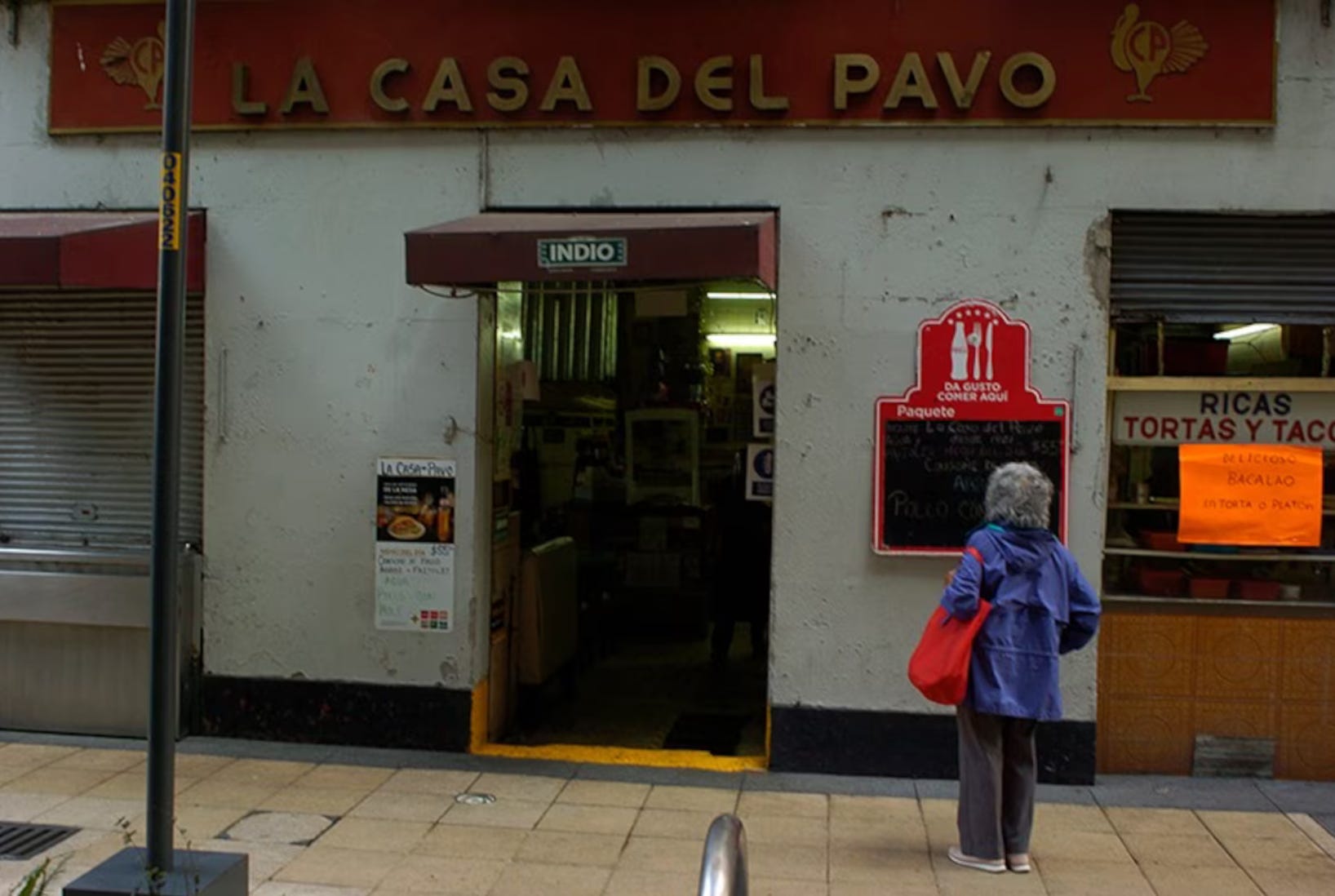
photo: facebook El Financiero
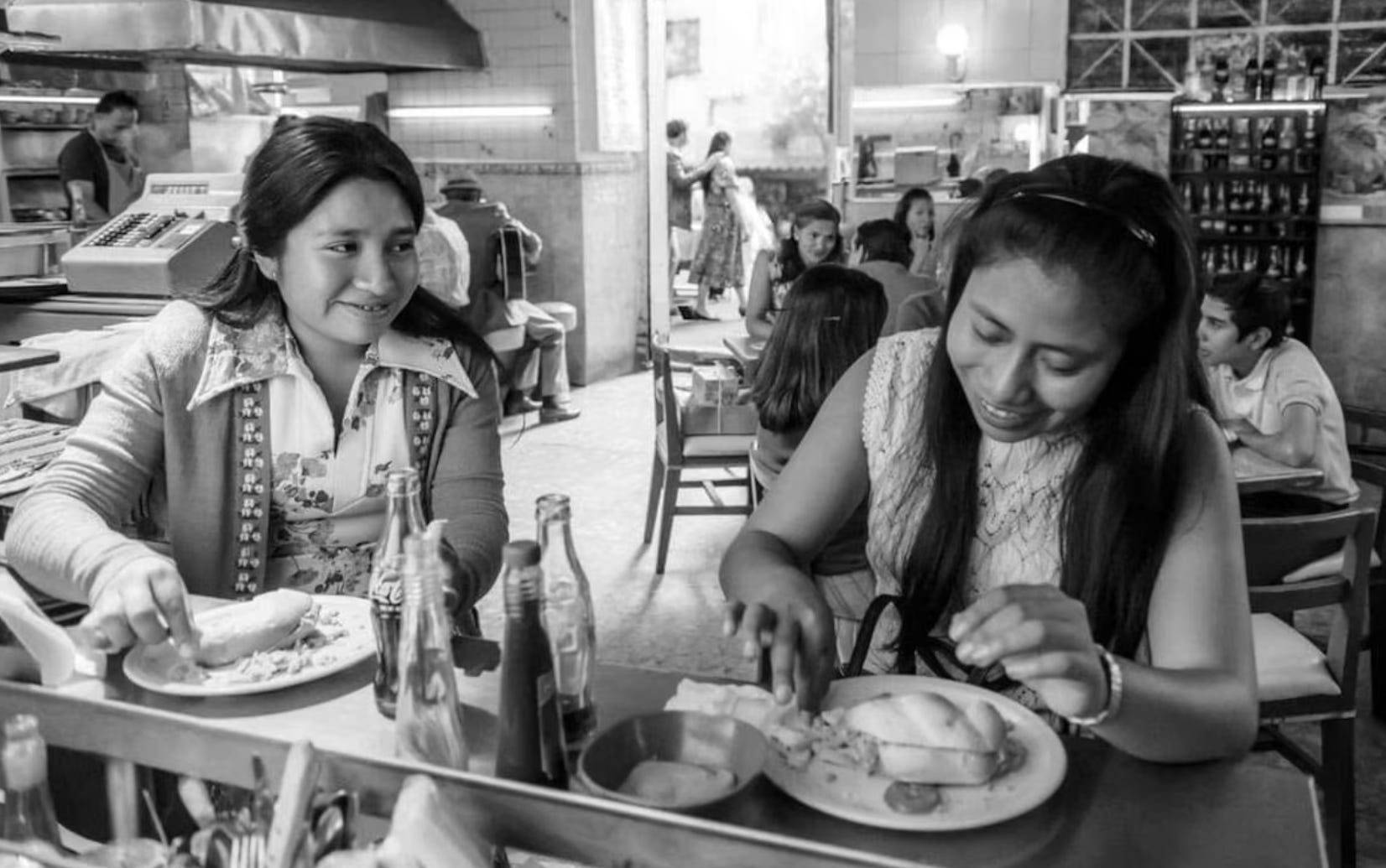
Scene featuring actress Yalitza Aparicio at La Casa del Pavo during the filming of the movie Roma.
photo: ROMA
Don Polo
Leopoldo Sánchez Preciado, better known as Don Polo, is the founder of Tortas don Polo, a legendary sandwich shop located at the corner of Avenida Coyoacán and Félix Cuevas in Mexico City.
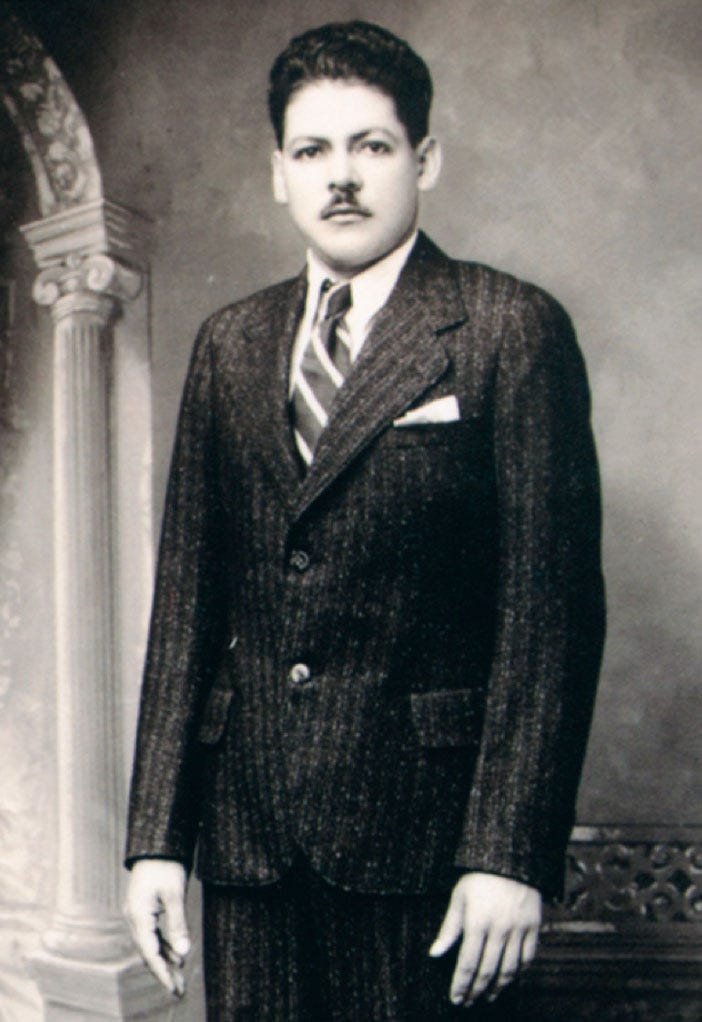
photo: Tortas don Polo
Born in the state of Colima, Don Polo moved to Mexico City, where by the 1950s he was already working in the sale of fresh juices and blended drinks. It was during this time that he decided to expand his business by creating a new offering: hot tortas. The idea quickly became successful, and in 1960 he opened the iconic Félix Cuevas location, which later grew to include two additional branches.
According to the story, Don Polo was inspired by the Cuban Missile Crisis when creating his version of the torta cubana. In the 1960s, he designed a sandwich that represented the conflict through its ingredients: turkey was said to symbolize Cuban women’s legs, while American cheese represented the United States.
Today, Don Polo’s version of the torta cubana is made with roasted pork leg, ham, and cheese, continuing the legacy of one of Mexico City’s most recognized interpretations of this beloved sandwich.
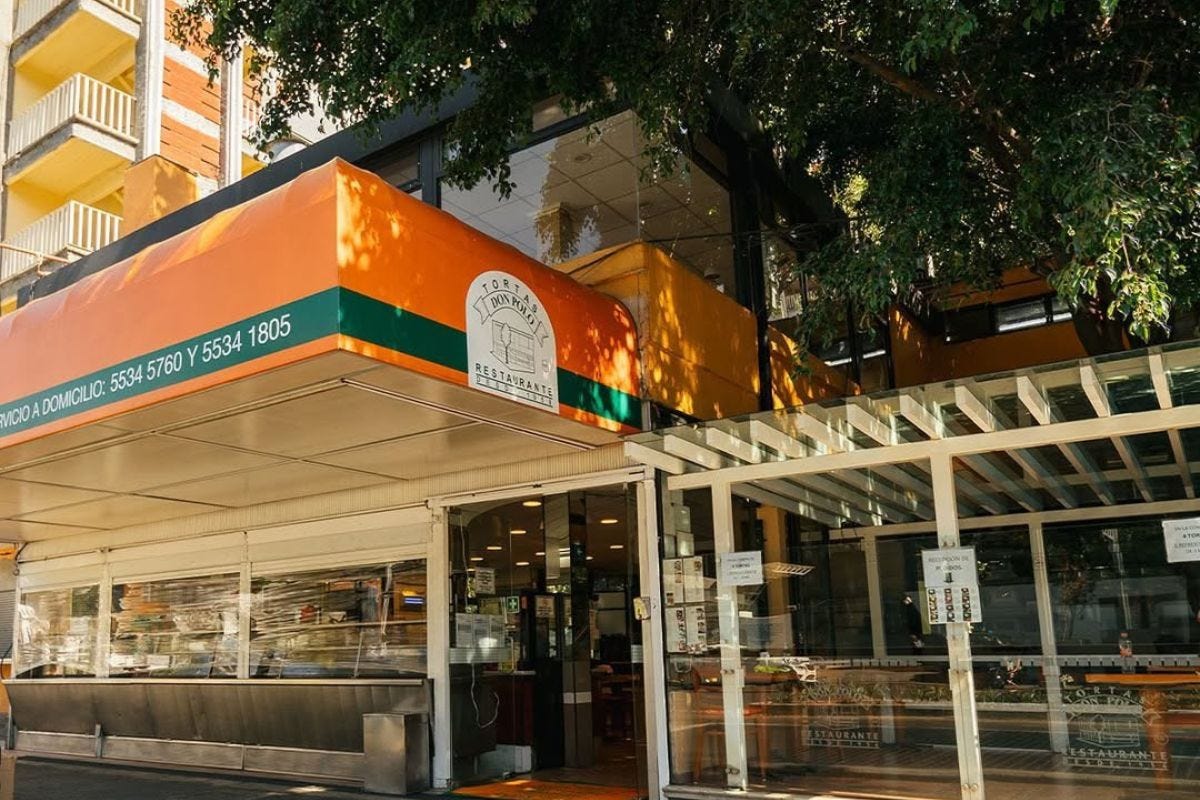
photo: CDMX secreta
The Torta Vendors of Cuba Street
A third version of the story suggests that, during the early 20th century, Cuba Street in Mexico City’s Historic Center was home to many torteros (torta vendors).
These vendors sold sandwiches filled with nearly every ingredient imaginable, and because of their location on Cuba Street, the sandwiches eventually became known as tortas cubanas.
The influence of the torta cubana throughout Mexico has been remarkable. In Cuernavaca, my hometown, there is a small but historic establishment called La Cubana, located on Avenida Plan de Ayala. It was a place where people ate standing on the sidewalk—there were no tables or chairs—but that was part of its unique charm and flavor.
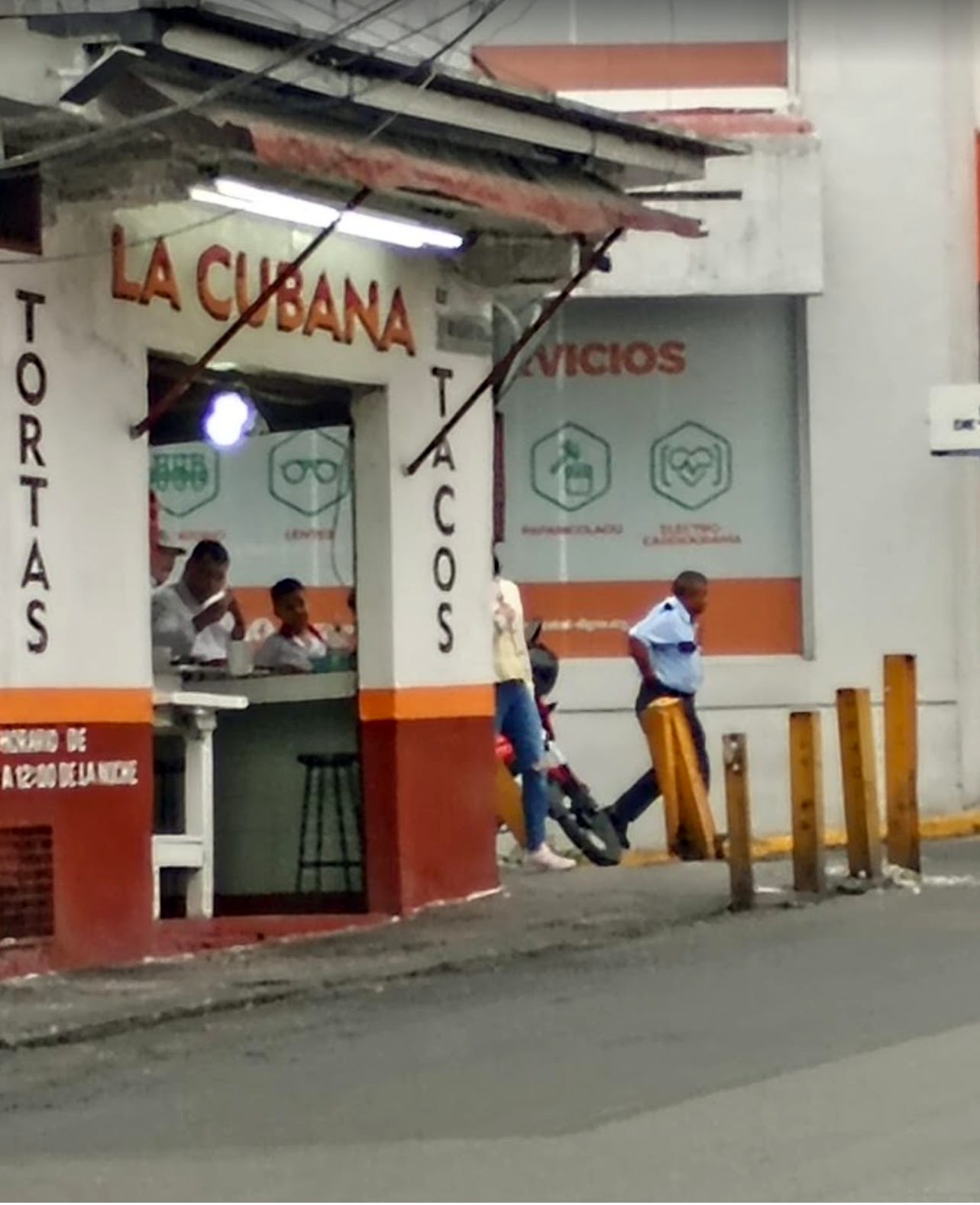
photo: google
Its busiest hours were at night. After a night out, stopping at La Cubana before heading home at dawn was almost a tradition. Although the restaurant also served tacos, its signature dish was always its tortas.
One thing I always appreciated was that ingredients traditionally served in tacos were also used in their sandwiches, something that was not very common at the time. In many places, the idea was simple: a taco was a taco and belonged on a tortilla. But at La Cubana, that distinction did not matter.
Years later, I began noticing that this approach—bringing taco fillings into tortas—was becoming increasingly common throughout Mexico, showing how the creativity of Mexican street food continues to evolve.
video: Mexican Food Journal